
15 Survival Tips for New Digital Nomads Guide
15 Survival Tips for New Digital Nomads Guide
Embarking on a digital nomad lifestyle offers unparalleled freedom but also comes with unique challenges. For U.S. homeowners venturing into remote work and travel in 2026, mastering practical strategies is essential. This guide provides 15 survival tips to help new digital nomads balance work, travel, and home management effectively.
1. Prioritize Reliable Internet and Backup Connectivity

Reliable internet is the lifeline for digital nomads. Before setting off, research internet availability at your destinations and invest in backup options like portable hotspots or SIM cards from local providers. Testing your connection immediately upon arrival prevents disruptions. In 2026, technology advancements make connectivity easier, but having multiple backups remains crucial to maintaining productivity on the go.
2. Establish a Structured Daily Routine

Establishing a daily structure helps combat the chaos of travel and remote work. Set consistent working hours, establish clear start and end times, and incorporate scheduled breaks to maintain focus. Using calendars or productivity apps to organize tasks boosts efficiency. When your routine becomes a habit, you’ll manage work demands and leisure activities with greater clarity regardless of your location.
3. Secure Your U.S. Home While Traveling
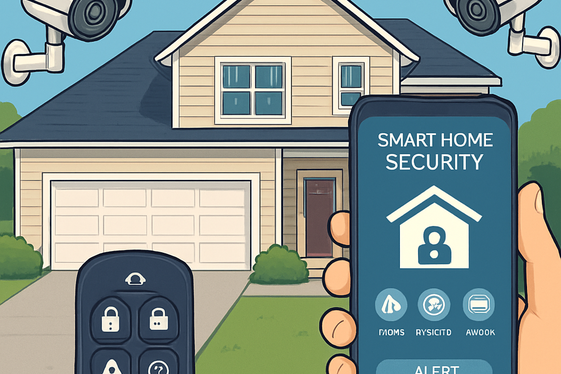
Protecting your U.S. home while traveling requires proactive steps like installing smart security systems, notifying trustworthy neighbors, and arranging regular maintenance. Homeowners should consider automatic lighting and surveillance cameras that can be controlled remotely for peace of mind. Ensuring your property remains secure lets you focus on work and travel without worrying about what’s happening back home.
4. Optimize Your Workspace Anywhere
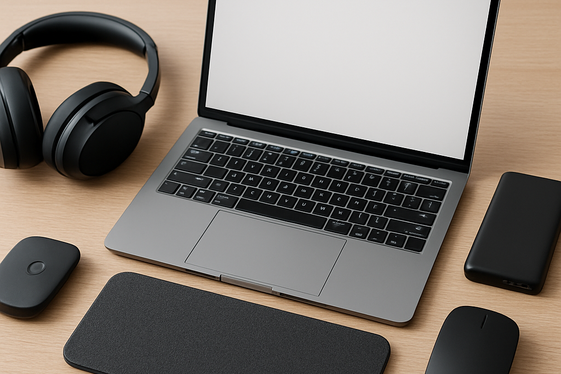
Setting up an optimized workspace anywhere is essential for focus and productivity. Seek quiet, well-lit environments and bring ergonomic essentials if possible. A compact laptop stand, noise-canceling headphones, and travel-friendly office supplies enhance comfort. Regardless of your destination, replicating a functional home office setup supports consistent work output.
5. Stay Organized with Digital Tools
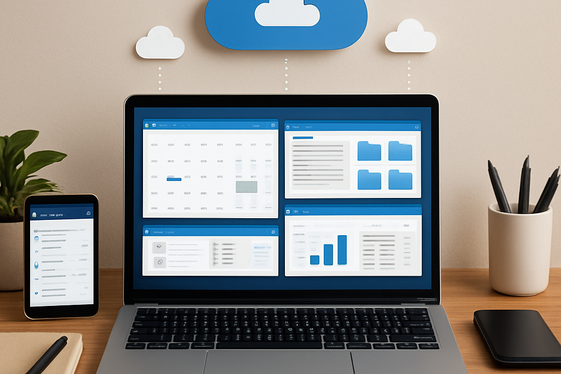
Digital organization tools streamline daily workflows and minimize stress. Applications like cloud storage, project management platforms, and note-taking apps keep your data accessible and synchronized. Regularly backing up important documents safeguards against loss. Leveraging these tools improves collaboration and efficiency, especially when juggling clients or projects remotely.
6. Manage Time Zones with Precision

Managing time zones is critical when working with U.S.-based clients or teams. Use scheduling tools that convert time zones automatically and communicate availability transparently. Planning meetings during overlapping work hours ensures collaboration without disruptions. Mastering this skill in 2026 enhances your professionalism and reliability as a digital nomad.
7. Maintain a Healthy Work-Life Balance

Maintaining work-life balance prevents burnout and improves overall well-being. Set clear boundaries to separate work time from personal or travel activities. Prioritize rest, physical exercise, and downtime daily. Leveraging mindfulness techniques or digital detox periods can recharge creativity and motivation, making your nomadic lifestyle sustainable.
8. Budget Wisely to Avoid Financial Stress
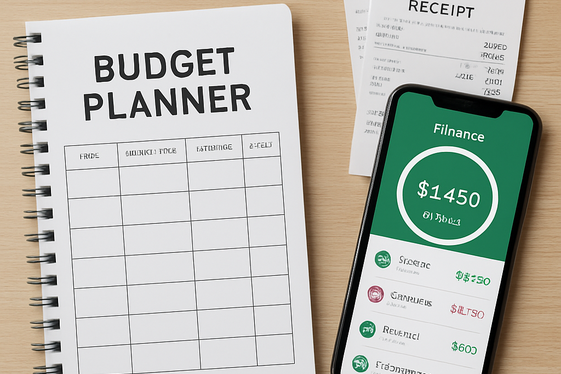
Budgeting is key to managing expenses while traveling. Monitor your spending using finance apps and prioritize essentials without sacrificing comfort. Anticipate costs for accommodation, transportation, and meals in advance to avoid surprises. For U.S. homeowners, mindful budgeting ensures that nomadic adventures complement rather than compromise financial stability.
9. Stay Connected with Family and Friends

Regular contact with family and friends strengthens your emotional support system. Schedule video calls and share updates to reduce feelings of isolation. Trusted relationships provide motivation during challenging times and help maintain your connection to home. Balancing nomadic freedom with social bonds enriches your experience and mental health.
10. Understand Local Laws and Visa Requirements
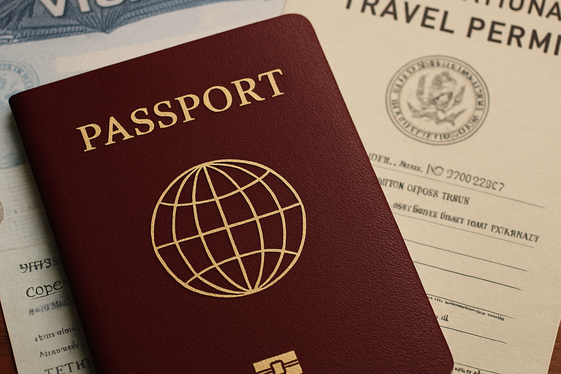
Understanding legal and visa requirements before traveling minimizes interruptions. Research entry rules, work permits, and taxes for each country you visit. Keeping documentation organized and staying compliant with local laws protects your nomadic status. Awareness of regulatory changes in 2026 ensures smoother transitions between destinations.
11. Prioritize Health and Wellness on the Road
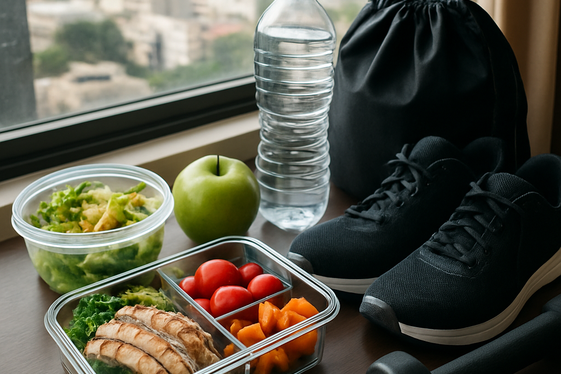
Prioritize your health with regular exercise, balanced nutrition, and enough sleep. Access to healthcare is vital; carry health insurance that covers international travel and identify nearby medical facilities beforehand. Being proactive about wellness supports sustained performance and ensures you enjoy your travels safely.
12. Pack Smart and Travel Light
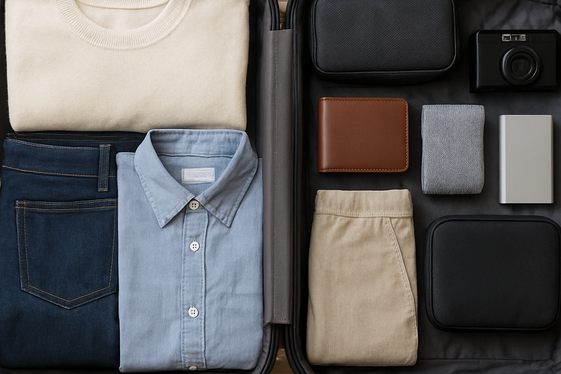
Packing smart saves space and reduces travel stress. Focus on versatile clothing suitable for various climates and essential gadgets. Limit bulky items and use packing cubes to stay organized. Keeping your luggage lightweight facilitates mobility, especially when moving frequently or using public transportation.
13. Choose Accommodation with Workspace Amenities

Selecting accommodation with dedicated workspaces boosts productivity. Many rentals and co-living spaces offer high-speed internet, desks, and quiet zones. Prioritize locations that provide comfort and convenience to seamlessly blend travel and work priorities. Reviews and photos help verify these amenities before booking.
14. Develop a Support Network of Fellow Nomads

Cultivating a network of fellow digital nomads offers valuable insight, friendship, and resources. Join online communities, attend local coworking events, and engage with nomad groups on social media. Networking also opens doors to collaboration opportunities and support systems necessary for thriving in this lifestyle.
15. Plan for Unexpected Emergencies
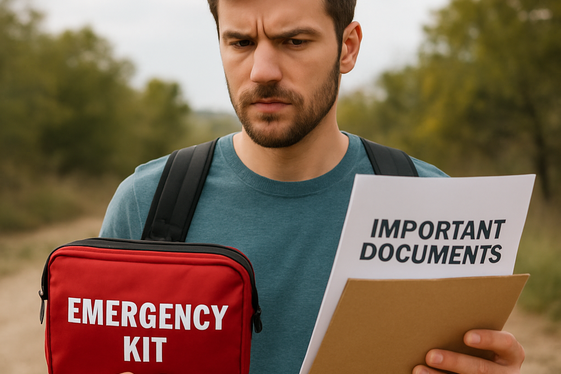
Preparing for emergencies is imperative when living a mobile lifestyle. Keep digital and physical copies of important documents, maintain emergency funds, and know local emergency contacts. Having a contingency plan addresses unexpected health, travel, or work-related crises. Being prepared in 2026 minimizes risk and enhances confidence.