17 Smart Home Office Nook Ideas for Small Spaces Guide
Learn about 17 Smart Home Office Nook Ideas for Small Spaces with a practical guide for Homeowners in USA.
Creating a dedicated workspace at home can feel like a real challenge, especially when square footage is limited. But small spaces don’t have to mean cramped or cluttered. With a little creativity and smart planning, you can carve out a cozy, effective home office nook that boosts productivity without taking over your living area.
Whether you live in a bustling city apartment or a cozy suburban home, these ideas focus on smart use of space, style, and function tailored for 2026. Incorporating a mini desk, clever storage solutions, and the right lighting transforms unused corners, closets, or even under-the-stairs spots into inspiring work zones.
No need for a full room – we’ll show you how to make the most of every inch. Plus, we’ll highlight tips that keep work-life balance intact and help minimize distractions.
Ready to turn that neglected corner into your new favorite space? Let’s dive into 17 smart home office nook ideas made just for small spaces and modern lifestyles.
1. Maximize Corners with Floating Desks
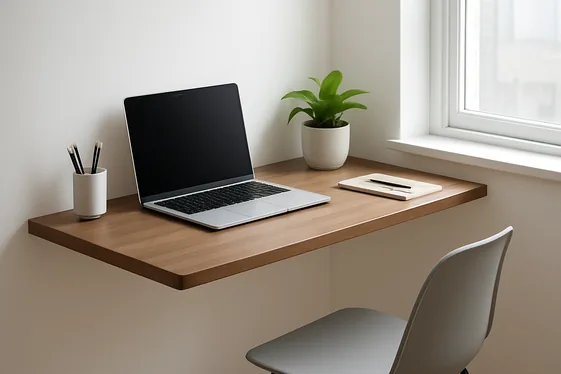
Corners often go underestimated when it comes to home office setups. Installing a floating desk utilizes this space without crowding the room. Floating desks attach directly to the wall, freeing up floor space underneath for storage or legroom. For small homes in the USA, where maximizing every inch is crucial, this approach works well for anyone wanting a sleek, modern workspace.
What’s great about floating desks is they come in many sizes and finishes, so you can match your style while keeping things compact. In my experience, floating desks help keep clutter off the floor, making the nook feel larger. Align the desk with natural light sources like windows to add vibrancy and reduce eye strain.
Whether the corner is next to a door or window, floating desks create an efficient, space-saving office spot without the bulk of traditional furniture. This keeps the idea practical, clear, and easy for readers to use right away. It also adds a little more helpful detail without making the writing sound stiff.
2. Utilize Vertical Wall Storage Efficiently
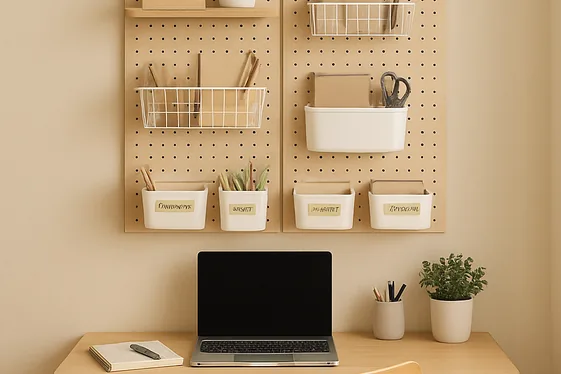
- Use tall shelving units or wall-mounted shelves to keep supplies and books organized.
- Install pegboards above your desk to hang tools and stationery, saving desk area.
- Incorporate wall baskets for loose items like chargers or notebooks.
- Combine shelves with hooks to hang headphones or bags neatly.
- Label storage bins clearly to speed up finding items during busy workdays.
I’ve noticed vertical storage tricks often transform tiny nooks into highly functional offices by freeing up floor space and reducing clutter. Keeping essential items within eye level ensures easy access without interrupting workflow. Choose materials and colors that complement your décor to keep the nook visually appealing while maximizing utility. Effective vertical storage balances function with style, making your home office nook feel organized and lively.
Walls are your best friends in tight spaces. This keeps the idea practical, clear, and easy for readers to use right away. It also adds a little more helpful detail without making the writing sound stiff.
3. Add a Fold-Down Desk to Save Floor Space
Quick Tip:
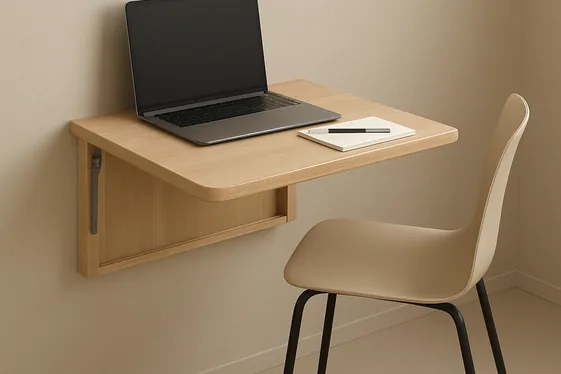
A fold-down desk is perfect if you want the flexibility to create a work area only when needed. These desks fold up against the wall, freeing space when not in use. Choose one with built-in shelves or cubbies to maximize utility in a small package.
Fold-down desks transform compact areas, such as hallways or narrow wall spaces, into instant workstations. I recommend mounting it at a comfortable height for your chair and adding a cushion for long sessions. Keep a dedicated spot for your work tools nearby so setting up is quick. This option suits those juggling small apartments or homes who want to maintain an open, airy feel while having an efficient nook when work calls.
This keeps the idea practical, clear, and easy for readers to use right away. It also adds a little more helpful detail without making the writing sound stiff.
4. Create a Cozy Window Seat Workspace
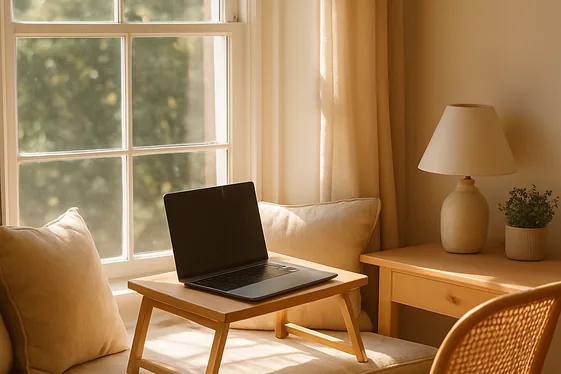
Before: Many rooms have unused window seats or benches that serve no purpose, often collecting dust or becoming clutter zones. The light spills in but no functional use is made. After: Transforming that window seat into a workspace adds comfort, natural light, and charm. Add cushions and a small desk surface or laptop tray.
This setup naturally boosts mood and productivity by combining cozy seating with gorgeous outdoor views. Position your chair or cushions so the daylight doesn’t glare on screens but enhances your mood. In my experience, natural light combined with a pleasant view decreases fatigue during long workdays, making this nook ideal for creative work or casual tasks.
This keeps the idea practical, clear, and easy for readers to use right away. It also adds a little more helpful detail without making the writing sound stiff.
5. Incorporate Built-In Shelving for Seamlessness
- Measure the available wall space carefully, including height and width.
- Choose built-in shelving that fits snugly, from floor to ceiling if possible.
- Opt for shelves that vary in depth and height to accommodate books, decor, and office gear.
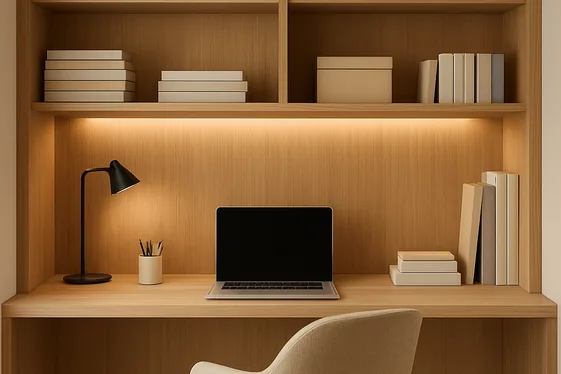
- Integrate your desk into the shelving, either with a built-in flat surface or between shelving sections.
- Paint or finish the shelving to match your walls for a seamless, spacious look.
- Add decorative baskets or boxes on shelves to hide clutter.
- Install LED strip lighting under shelves to brighten your work area.
I’ve noticed built-in shelving blends function and beauty, making small office nooks feel custom and tidy. This approach eliminates gaps where dust hides and gives you a smart, all-in-one setup perfect for homeowners seeking a clean, modern vibe.
This keeps the idea practical, clear, and easy for readers to use right away. It also adds a little more helpful detail without making the writing sound stiff.
6. Choose Adjustable Lighting for Flexibility
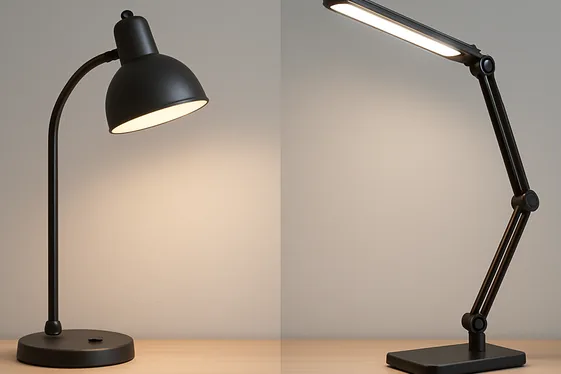
| Point | Basic Desk Lamp | Adjustable Lighting |
|---|---|---|
| Brightness Control | Typically fixed brightness | Variable brightness levels |
| Directional Light | Limited to lamp position | Rotatable and movable arms |
| Energy Efficiency | Standard bulbs required | Often LED with adjustable color temperature |
| Impact on Space | Takes up desk space | Mounted or clip-on options save space |
| Cost | Usually inexpensive | Slightly higher upfront cost but versatile |
Adjustable lighting is invaluable in compact work nooks where ambient lighting may not always suffice. It lets you set the mood, prevent eye strain, and adapt to different times of day or tasks. Though initially pricier than basic lamps, the benefits often outweigh the cost for anyone spending many hours working.
This keeps the idea practical, clear, and easy for readers to use right away. It also adds a little more helpful detail without making the writing sound stiff.
7. Optimize Small Spaces with Minimalist Furniture
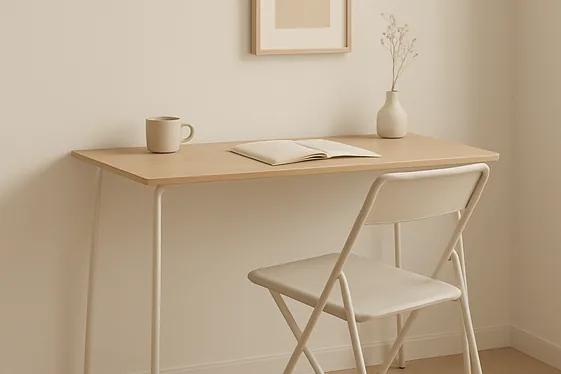
Do:
- Choose furniture with clean lines and simple shapes to avoid visual clutter.
- Pick pieces with built-in storage to reduce extra furniture.
- Use foldable or stackable chairs to save floor space when not in use.
- Select light-colored or transparent materials like acrylic to keep the space airy.
- Keep decor minimal to maintain focus and calm.
Don’t:
- Use large, bulky desks that overpower the nook.
- Add too many decorative items that cause distraction.
- Choose furniture without storage, leading to clutter build-up.
- Ignore ergonomic needs by choosing style over comfort.
- Overfill the space with unnecessary accessories.
Minimalist furniture creates a calm, organized atmosphere that makes small nooks more inviting and efficient. Following these tips keeps your office nook both functional and stylish. This keeps the idea practical, clear, and easy for readers to use right away. It also adds a little more helpful detail without making the writing sound stiff.
8. Harness the Power of Multi-Functional Pieces
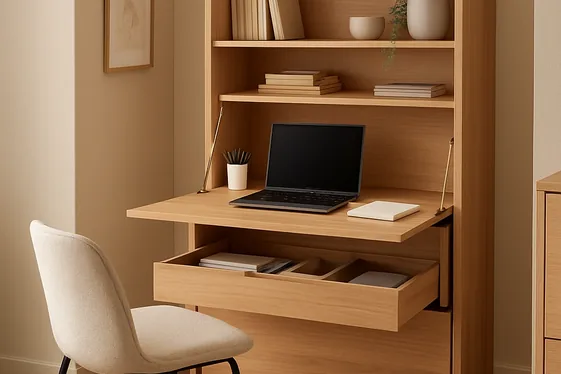
Cost: Moderate
Time: One weekend project
Skill Level: Intermediate
Best For: Those with limited space seeking versatility
Result: A streamlined, clutter-free workspace adapts for different uses.
Multi-functional pieces like desks with hidden compartments or ottomans that double as seating and storage multiply the use of small spaces. I’ve seen this work well in many cases when homeowners want a nimble setup that shifts between work, hobbies, or leisure. These pieces save money and space by reducing the need for multiple furnishings.
Choosing well-crafted, durable options ensures they handle daily wear smoothly and stay attractive over time. This keeps the idea practical, clear, and easy for readers to use right away. It also adds a little more helpful detail without making the writing sound stiff.
9. Use Vertical Greenery to Refresh Your Nook
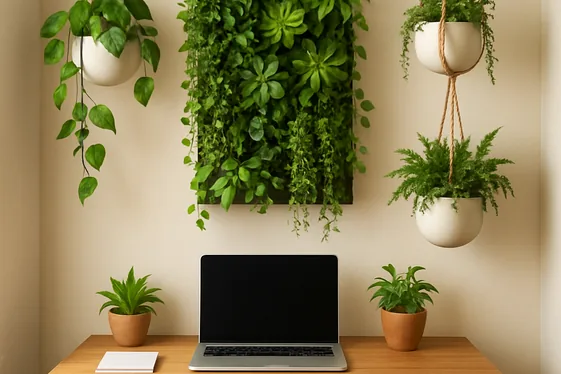
Plants add life and improve air quality, but in small office nooks, it’s essential to think vertical. Hanging planters or wall-mounted pots bring greenery up off surfaces and reduce clutter. Small trailing plants like pothos or spider plants thrive indoors and add a refreshing vibe.
Choose plants that tolerate indoor light levels, particularly near your desk to reduce fatigue. I recommend grouping a few small plants beside your monitor or on a shelf to keep the space lively without crowding the work surface. Greenery also helps reduce stress and boost creativity during those long work sessions, making the atmosphere cozy and inviting.
This keeps the idea practical, clear, and easy for readers to use right away. It also adds a little more helpful detail without making the writing sound stiff.
10. Harness Compact Standing Desks for Health
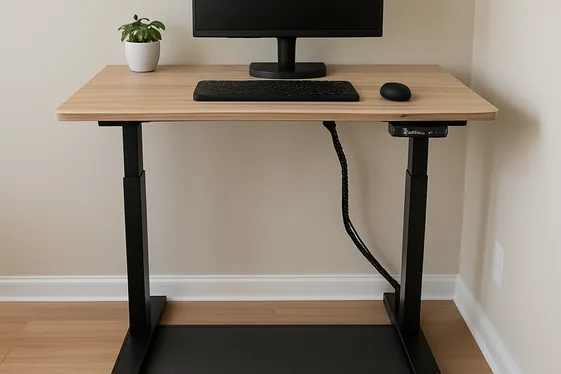
- Standing desks improve posture and reduce back pain associated with prolonged sitting.
- Compact models fit tight spaces better than full-sized desks, making them ideal for small nooks.
- Many come with adjustable heights, so you can alternate sitting and standing easily.
- Choose desks with cable management built in to keep work areas tidy.
- Easy-assembly options allow trying out a standing setup without heavy lifting.
In my experience, switching to compact standing desks promotes movement and energy during the day. Even in cramped spaces, the standing desk encourages healthier habits without sacrificing workspace. Combine it with ergonomic mats and supportive shoes for the best results.
This keeps the idea practical, clear, and easy for readers to use right away. It also adds a little more helpful detail without making the writing sound stiff.
11. Incorporate a Rolling Cart for Mobile Storage
Quick Tip:
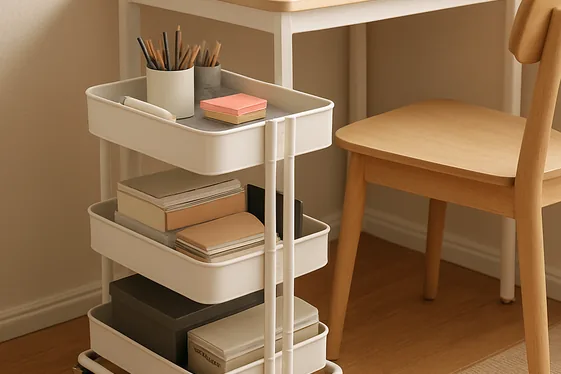
Rolling carts provide flexible storage that can be tucked under desks or moved around freely. Look for carts with drawers and shelves to organize everything from papers to snacks. Adding wheels means you can shift your supplies to different rooms or rearrange quickly.
Rolling carts fit tiny offices well because they don’t crowd fixed furniture and adapt to changing needs. Placing one beside or under your desk creates instant additional workspace or storage. I also find carts helpful for keeping tech gear ready without permanent clutter, especially in shared home environments.
Choose units with lockable wheels if you want them stationary but easy to relocate. This keeps the idea practical, clear, and easy for readers to use right away. It also adds a little more helpful detail without making the writing sound stiff.
12. Transform Closets into Productive Work Zones
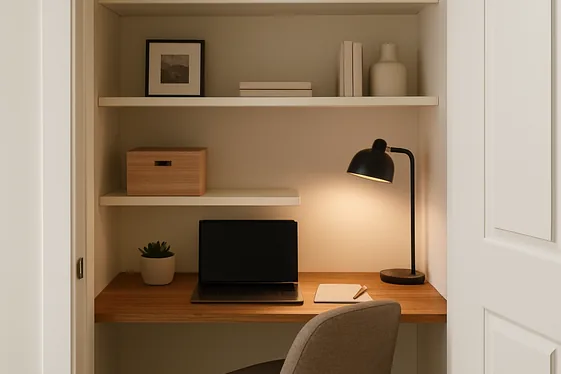
Before: A small closet may just collect boxes or clothes you rarely use, often becoming an untapped, wasted space. After: Converting it into a compact office nook with a built-in desk and shelves creates a private retreat. Install lighting and ergonomic seating to enhance comfort.
Closet offices offer privacy by isolating work areas acoustically and visually. I’ve seen this work well in many cases where families share homes and need personal zones. Proper ventilation or adding a fan can keep the space fresh. If you’re handy with tools, simple modifications like paint and shelving can transform this tiny area into a fully functional office hideaway.
This keeps the idea practical, clear, and easy for readers to use right away. It also adds a little more helpful detail without making the writing sound stiff.
13. Design a Hidden Office with Sliding Doors
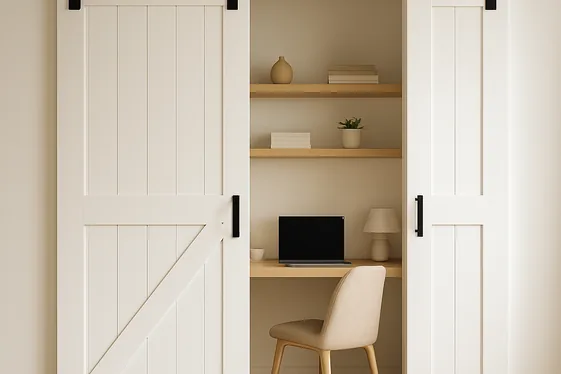
- Measure your nook or closet space to know door sizes needed.
- Choose sliding doors like barn styles or frosted glass that complement your home decor.
- Hire a carpenter or use DIY kits to install doors smoothly on tracks.
- Inside the nook, install minimalist desks and shelves that won’t overpower when doors close.
- Add lighting that automatically turns off when doors shut to save energy.
- Use soundproofing strips if noise isolation matters.
- Keep the interior organized to avoid visual clutter spilling out when doors open.
In my experience, hidden offices help mentally separate work from home life. Sliding doors are especially popular because they save room compared to swinging doors. Your neighbors or family won’t be tempted to interrupt your workflow at a glance.
This keeps the idea practical, clear, and easy for readers to use right away. It also adds a little more helpful detail without making the writing sound stiff.
14. Use Light Colors and Mirrors to Expand Space
| Point | Dark Wall Colors | Light Colors & Mirrors |
|---|---|---|
| Visual Space | Makes rooms feel smaller | Opens up and brightens rooms |
| Mood | Can feel cozy or cramped | Feels airy and uplifting |
| Lighting | Absorbs more light | Reflects and multiplies light |
| Decor Flexibility | Limits choices to warm tones | Pairs well with many styles |
| Maintenance | Shows fewer smudges | Requires regular cleaning |
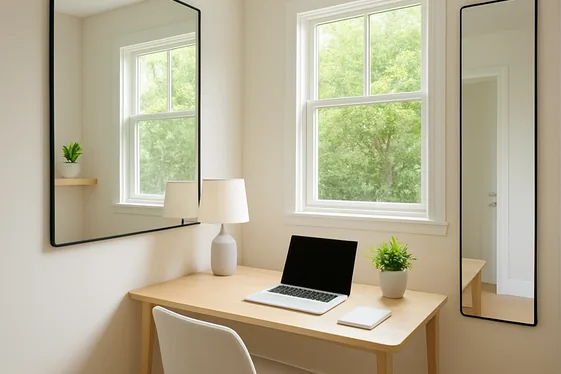
Choosing white, soft pastels, or neutrals for walls paired with strategically placed mirrors tricks the eye into seeing more room. Mirrors opposite windows double natural light, improving the workspace atmosphere. This all makes small nooks feel breathable and less confined. Pick matte finishes to reduce glare but still keep the space bright throughout your workday.
This keeps the idea practical, clear, and easy for readers to use right away. It also adds a little more helpful detail without making the writing sound stiff.
15. Declutter with Smart Cable Management
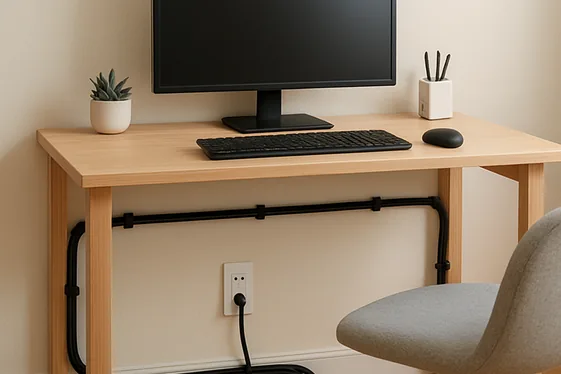
Do:
- Use cable clips or adhesive hooks to route cords neatly along walls or desk edges.
- Employ cable sleeves or tubes to bundle multiple cords together.
- Label each cable for quick identification during troubleshooting.
- Secure power strips under desks or inside drawers to reduce floor clutter.
- Invest in wireless peripherals like keyboard and mouse to cut down on cord mess.
Don’t:
- Let cables dangle across walkways or desk fronts where they can snag.
- Mix power and audio cables in the same channel to avoid interference.
- Ignore damaged cords; replace them immediately for safety.
- Overload outlets or extension cords.
- Use long cable lengths that create excessive slack and tangles.
I’ve noticed clean cable management promotes focus and prevents accidents in small offices. Keeping cords organized also protects your equipment and looks professional. This keeps the idea practical, clear, and easy for readers to use right away. It also adds a little more helpful detail without making the writing sound stiff.
16. Add Personal Touches for Comfort and Focus
Cost: Minimal to moderate
Time: Variable
Skill Level: Beginner to intermediate
Works In: All small office nooks
Result: Increased comfort and motivation
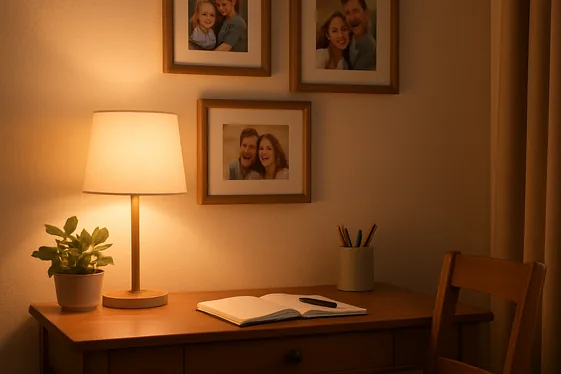
Personalizing your nook with family photos, art prints, or your favorite mementos helps create a comfortable, inspiring zone. I’ve seen this work well in many cases, as small touches make long work sessions more enjoyable. Adding cozy elements like cushioned chairs or soft rugs adds tactile comfort, while scent diffusers or plants improve air quality.
Choose pieces that don’t clutter your space but boost your mood and keep distractions minimal. This keeps the idea practical, clear, and easy for readers to use right away. It also adds a little more helpful detail without making the writing sound stiff.
17. Create a Zoning Strategy to Separate Work and Home
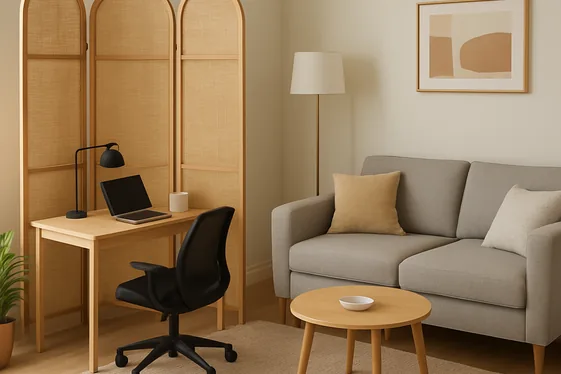
Separating work from relaxation is crucial when your office nook shares space with your home. Start by designating clear physical boundaries—an area rug, a folding screen, or different wall colors can signal work zone versus leisure. Make sure your office nook has its own lighting independent of ambient home lights to cue productivity.
Additionally, set routines to mentally transition into and out of work mode, like opening or closing a laptop stand or playing background sounds specific to work. I recommend keeping work supplies organized in one spot and leaving them there after hours to maintain that boundary.
This zoning strategy keeps your small space organized and your mind focused. This keeps the idea practical, clear, and easy for readers to use right away. It also adds a little more helpful detail without making the writing sound stiff.
Conclusion
Finding the perfect home office nook in a small space comes down to smart choices—maximizing corners, utilizing vertical storage, and selecting multi-functional furniture all make a big difference. Incorporating adjustable lighting, greenery, and personal touches keeps your nook inviting and productive. Whether you transform a closet, a window seat, or add fold-down and floating desks, there are practical options for every style and space constraint.
Don’t underestimate the power of cable management and zoning strategies to keep work and home life balanced. As you explore these ideas, think about what fits your daily habits, home layout, and comfort needs.
This guide gives you a toolkit to create not just a desk, but a workspace that energizes you day after day. Now, go ahead and choose the nook idea that sparks your motivation and make your work-from-home life more enjoyable and efficient.