18 Apartment Living Room and Bedroom Combo Ideas Guide
Learn about 18 Apartment Living Room and Bedroom Combo Ideas with a practical guide for Homeowners in USA.
Apartment living often means making the most of smaller spaces, especially when your living room and bedroom share the same square footage. Creating a seamless combo can feel tricky, but it’s a golden opportunity to get creative and design a personalized sanctuary that balances comfort, style, and functionality.
Whether you’re a first-time renter, a young professional, or a growing family in a cozy urban nook, this guide is packed with practical, stylish, and modern ideas tailored for apartment dwellers across the USA.
From cleverly using room dividers to smart storage hacks and chic layouts, you’ll find plenty of inspiration to transform your space. Instead of settling for cramped chaos, this list will help you build a harmonious combo that feels spacious and inviting.
By blending trends with timeless design tips, these ideas make your apartment feel bigger and genuinely yours. Let’s dive into 18 creative approaches for living room and bedroom combos that work beautifully in 2026’s homes and lifestyles.
1. Maximize Vertical Storage to Save Floor Space
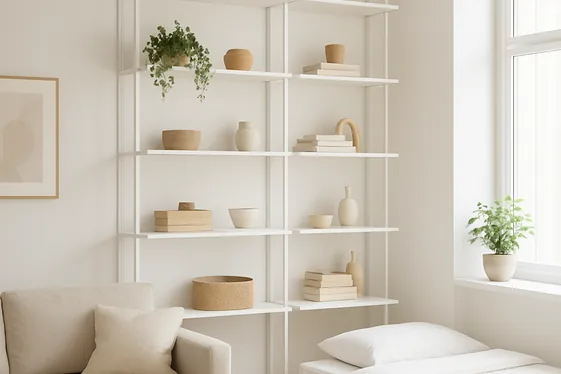
Think vertical when combining your living room and bedroom. Installing tall shelving units or floor-to-ceiling bookcases maximizes storage without eating up precious square footage. These pieces keep books, decor, and essentials organized while drawing the eye upward to make the room feel larger.
Wall-mounted cabinets or cubbies over the bed area create hidden storage for linens or seasonal items, freeing up closet space. Don’t forget about vertical hooks or pegboards for hanging bags, hats, and accessories near the entry or closet zone. A sleek ladder shelf can hold plants or baskets, adding style without bulk.
When storage moves upward, the floor stays open for seating or a small workspace. Just ensure your tallest units anchor firmly to walls and avoid overcrowding so the combo stays airy, not cramped.
2. Use Multi-Functional Furniture for Double Duty
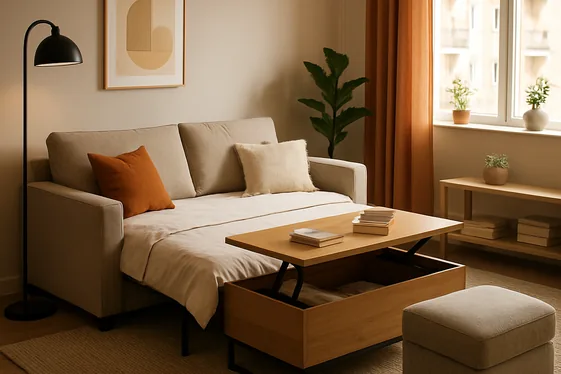
- Choose a sofa bed with a sleek design to maximize seating during the day and serve as a cozy bed at night. Look for ones with built-in storage drawers for added utility.
- Opt for a coffee table that can lift or expand into a dining table, so it works well for meals or working on a laptop.
- Select ottomans with removable lids to tuck away blankets, books, or pillows, keeping clutter out of sight.
- Invest in a fold-out desk or wall-mounted Murphy bed to save floor space when not in use.
- Pick side tables with shelves or compartments to hold essentials, doubling as nightstands by the bed area.
In my experience, multi-functional furniture is a secret weapon for small apartment combos, because it lets you switch between living and sleeping modes smoothly. A well-chosen piece can create balance, blending comfort and practicality without overwhelming the space. That’s why many experts recommend measuring carefully and prioritizing pieces that serve at least two clear purposes.
3. Create Zones with Area Rugs and Lighting
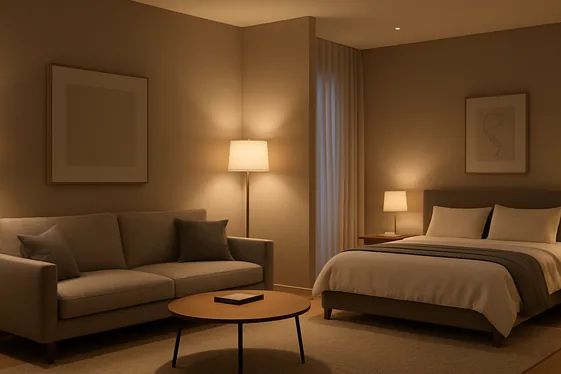
Quick Tip:
Use area rugs to define different parts of your room, like placing one under the bed and another in the living area. Pair rugs with strategically placed lighting to create cozy zones that feel separate without walls.
Place a soft, textured rug under your bed or seating area to visually anchor that space and add warmth. Position floor lamps or pendant lights above these rugs to spotlight each zone. This combo helps your eye recognize where the bedroom ends and the living room begins, making the combo feel organized and inviting rather than jumbled.
4. Incorporate Fold-Down Murphy Beds to Free Up Space
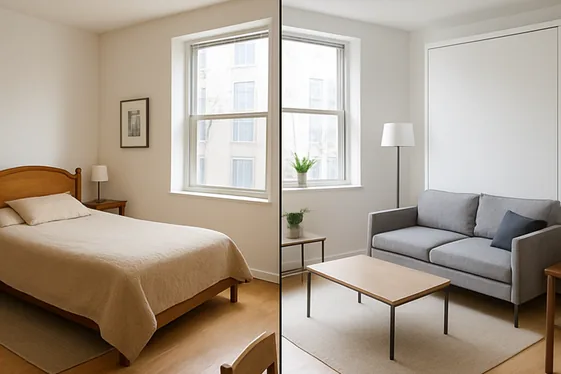
Before: Your apartment feels cramped because the bed takes up most of the living room space, leaving little room for daily activities or guests. Finding a spot to sit, work, or entertain becomes a constant challenge.
After: The fold-down Murphy bed transforms your space, folding neatly into the wall when not in use to reveal an open, airy living area. Now, your living room feels spacious and multifunctional, perfect for relaxation or hosting friends.
Incorporate a fold-down Murphy bed to instantly free up floor space without sacrificing comfort. Choose one with built-in shelves or a small desk to maximize storage and functionality further. Install the bed on a wall near seating so it blends seamlessly with your sofa and décor when folded away.
This solution creates a smooth transition between bedroom and living room without bulky partitions or clutter. Murphy beds work especially well in studios or apartments where every inch counts—make sure to measure your wall space carefully before purchasing to ensure the perfect fit.
5. Use Floating Shelves to Keep the Floor Clear
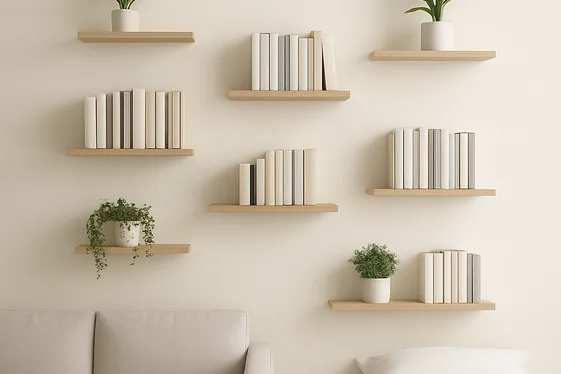
- Measure the wall space above your sofa or bed to determine how many floating shelves you can fit without overcrowding.
- Choose shelves with a minimalistic design and a sturdy bracket system to hold books, decor, or essentials securely.
- Install the shelves at eye level or slightly higher to keep surfaces clear but maintain easy access to frequently used items.
- Organize items by category—stack books on one shelf, place plants or art on another, and store small baskets for clutter control.
Floating shelves lift storage off the floor, opening up walking areas and creating visual space in your combined apartment living room and bedroom. In my experience, this approach prevents the clutter pile-up that often happens when surfaces are limited.
Plus, swapping out decorations or rearranging shelves is simple, giving your space a fresh feel without a full overhaul. Keep shelves balanced and spaced so they don’t overwhelm the room’s flow.
6. Separate Spaces with Open Bookshelves or Screens
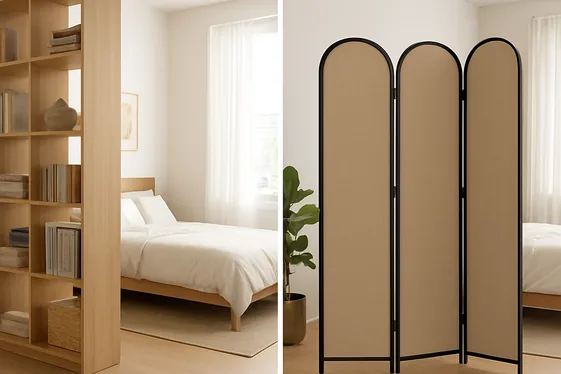
| Point | Solid Wall or Curtain | Open Bookshelves or Decorative Screens |
|---|---|---|
| Light and Airflow | Blocks natural light and airflow | Maintains openness, lets light and air through |
| Storage and Display | No storage, just separation | Provides extra storage and a place for decor |
| Visual Space | Can make the room feel smaller | Keeps space airy while defining distinct zones |
Open bookshelves or screens act like room dividers without making your space feel cramped. They carve out dedicated spots for sleeping and lounging while still allowing sunlight and fresh air to melt through. You get the bonus of displaying your favorite books or plants, turning the divider into a stylish feature.
It’s ideal for compact apartments where every inch counts but privacy and separation matter just as much.
7. Do and Don’t Guide for Mixing Living and Sleeping Areas
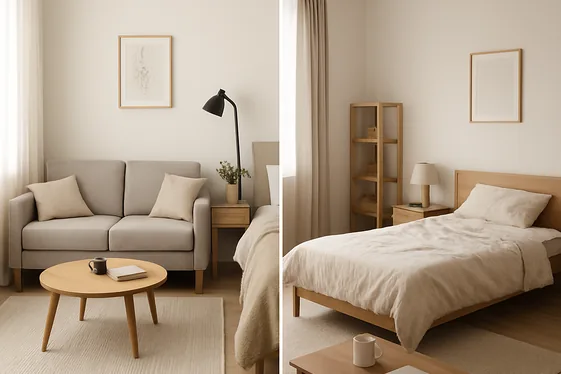
Do:
- Use rugs or furniture to clearly define living and sleeping zones.
- Opt for multi-functional furniture, like a sofa bed or storage ottoman.
- Incorporate room dividers, such as shelves or curtains, for subtle separation.
- Keep a consistent color palette to make the space feel cohesive.
Don’t:
- Avoid cluttering the area with too much furniture—less is more.
- Don’t place your bed directly in the line of sight from the living area.
- Skip heavy or dark curtains that shrink the room visually.
- Refrain from mixing conflicting styles that disrupt flow and harmony.
Balancing a living and sleeping area requires clear boundaries without sacrificing openness. Defining distinct zones helps maintain order and comfort, while shared colors tie everything together seamlessly. Multi-functional pieces amplify utility without crowding, and soft dividers create privacy without isolating. Steering clear of clutter and awkward layouts keeps your combo space feeling fresh and inviting instead of chaotic.
8. Key Quick Facts About Space-Saving Furniture
Cost: Moderate
Skill Level: Basic Assembly
Best For: Small Apartments
Result: Maximized Floor Space
Space-saving furniture can transform cramped areas into stylish, functional zones. Think fold-out beds tucked inside sofas or coffee tables with hidden storage. Materials like lightweight metal and engineered wood keep pieces easy to move but sturdy enough for daily use.
Keep an eye on dimensions—opt for items that don’t exceed 30 inches in height to avoid overpowering the room. Perfect for those who want to fit more into less space without cluttering it.
9. Incorporate Sliding Doors or Curtains for Privacy
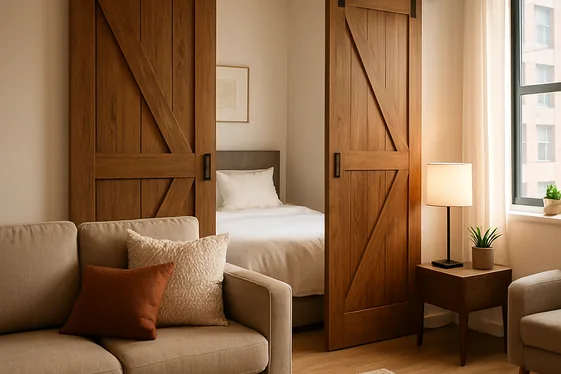
Sliding doors offer a sleek, space-saving solution to create distinct zones in a living room-bedroom combo. Choosing materials like frosted glass or wood slats keeps light flowing while maintaining privacy. In my experience, installing a sliding door on a ceiling-mounted track adds a modern touch without bulky frames. Aim for a standard width of 30-36 inches to balance accessibility and separation.
These doors work well when placed between the bed and the seating area, instantly defining the bedroom space without crowding the room. Curtains are an affordable way to carve out privacy and soften the room’s vibe. Opt for thick, textured fabrics in calming shades that complement your decor. I’ve seen this work well in many cases where renters want non-permanent solutions—curtains can be drawn back to open up the area or pulled closed for peaceful downtime.
Mount the curtain rod just below the ceiling for maximum height, and make it wide enough to fully cover the sleeping zone. Just remember, heavy curtains might need support brackets to prevent sagging over time.
10. How to Choose Color Palettes to Define Each Zone
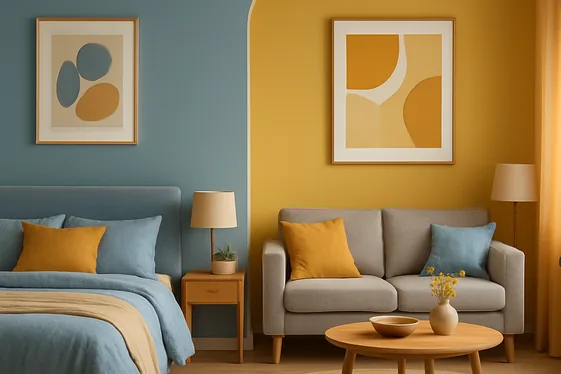
- Pick a main color for the living room and a contrasting but complementary hue for the bedroom. This helps keep each zone visually distinct without clashing.
- Use lighter shades or neutrals in smaller areas to avoid overwhelming the space. Soft blues or warm grays work well for calming bedroom vibes.
- Incorporate accent colors through decor, like cushions or rugs, to tie zones together without blending them. This adds personality without losing separation.
- Consider the natural light direction in each zone; brighter, sunny corners can handle bolder colors, while shaded spots benefit from airy tones.
- Balance warm and cool tones between zones. If the living area has warm earth tones, cooler shades in the bedroom create a refreshing contrast.
Choosing color palettes is about creating boundaries without building walls. Think of your living room and bedroom as two parts of a story told through hues. When colors complement but stay unique, your apartment feels larger and more organized.
Don’t be afraid to test samples on walls or fabrics before committing—the right palette brings harmony and style to your combined space.
11. Quick Tips for Stylish Storage Under Your Bed
Quick Tip:
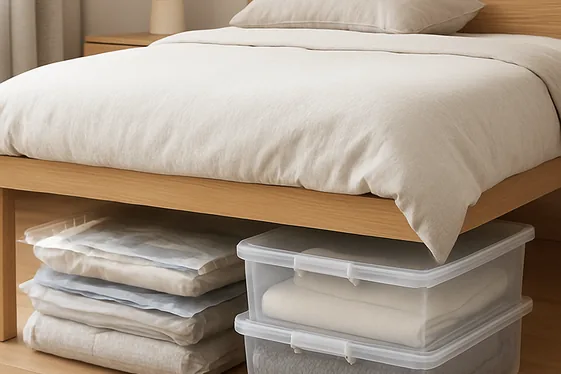
Slide clear plastic bins under your bed to instantly create organized storage. Label each bin’s side for quick access, and choose stackable containers to maximize vertical space.
Pulling storage out is easier when bins have wheels or handles, preventing awkward digging in the dark. Consider low-profile boxes around 6 inches tall to fit under most beds without crowding the legs. This spot is ideal for seasonal clothes, shoes, or extra bedding—keeping clutter out of sight but within reach.
Tack a small LED light near the bed frame to brighten your access zone without the hassle of lamps or overhead fixtures.
12. Before and After: Transforming Cluttered Combos
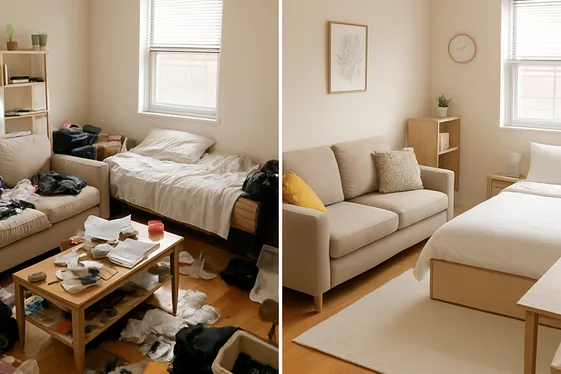
Before: The room felt cramped and chaotic, with piles of clothes, books, and random items strewn across the bed and sofa. It was hard to relax or find anything, making the apartment feel more stressful than cozy.
After: The clutter cleared, revealing a sleek, organized combo space where every item had its place. A streamlined shelving unit combined with under-bed storage opened up the floor, making the room feel airy and calm—perfect for both winding down and entertaining guests.
Transforming cluttered living room-bedroom combos starts with removing unnecessary items and sorting what truly belongs in each zone. Invest in multifunctional furniture like ottomans with storage or wall-mounted shelves to free up space.
Keep daily essentials within arm’s reach but out of sight, so the room stays tidy without feeling sterile. The payoff? A peaceful, inviting area that helps you breathe easier every day.
13. Steps to Design a Cohesive Living-Sleeping Space
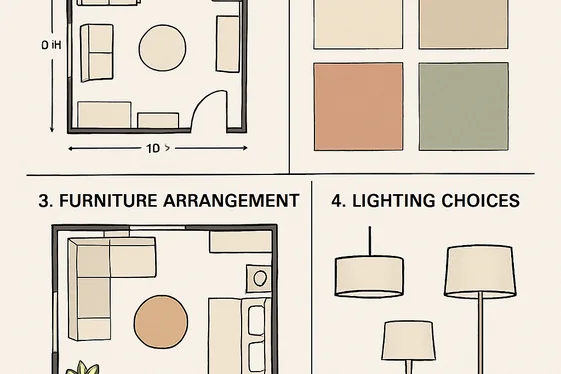
- Select a consistent color palette that flows naturally between your living and sleeping areas for visual harmony.
- Choose multifunctional furniture that blends style and purpose, such as a sleeper sofa or a storage ottoman.
- Define each zone with area rugs or distinct lighting to subtly separate the functions without closing off the space.
Creating a cohesive living-sleeping combo happens when colors, furniture, and lighting work as a team. In my experience, sticking to no more than three main colors prevents chaos and ties the areas together effortlessly. Area rugs act like invisible borders that tell your eye where the living room ends and the bedroom begins, which helps maintain order in an open layout.
That’s why many experts recommend layering different light sources for flexibility and ambiance tailored to both relaxing and socializing.
14. Comparison: Traditional Layout vs. Open Concept Apartment
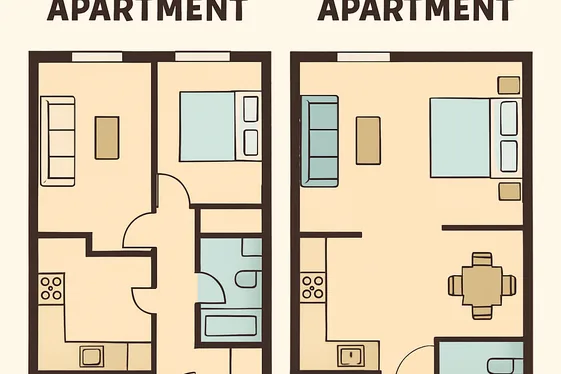
| Point | Traditional Layout | Open Concept Apartment |
|---|---|---|
| Space Separation | Clear division with walls or partitions | Combined area without barriers |
| Privacy | More private, separate bedroom area | Less privacy, shared living and sleeping zone |
| Flexibility | Fixed room functions | Easy to rearrange and multitask |
Traditional layouts help homeowners enjoy distinct areas for relaxing or sleeping but can feel tighter and limit natural light. Open concept designs blur those lines, creating a spacious, airy vibe that encourages creativity with furniture placement. For city apartments where every square foot counts, open plans invite socializing and maximize light but require smarter storage to keep clutter at bay.
15. Do and Don’t List for Choosing Multi-Use Furniture
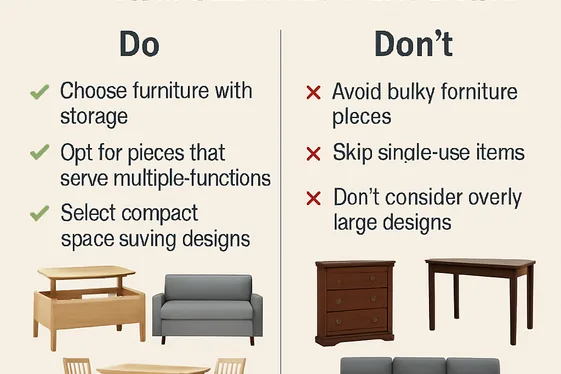
Do:
- Select furniture with hidden storage compartments to maximize space.
- Measure both the furniture and your room carefully before purchasing.
- Choose pieces that easily switch functions, like a sleeper sofa or a fold-out desk.
- Opt for lightweight furniture that’s easy to move around and rearrange.
Don’t:
- Don’t buy bulky items that overpower your compact apartment.
- Avoid furniture that’s difficult to open or convert, disrupting smooth use.
- Don’t overlook comfort and durability in multifunctional pieces.
- Skip impulsive buys—test how furniture feels and functions first.
Multi-use furniture can change the way your small space works, but only if you pick wisely. Prioritize smart dimensions and ease of use. Planning saves headaches and prevents ending up with a couch that’s beautiful but bulky or a bed that’s uncomfortable. When the right piece fits and functions, your living room-bedroom combo instantly becomes more livable and stylish.
16. Quick Facts on Lighting Options for Apartment Combos
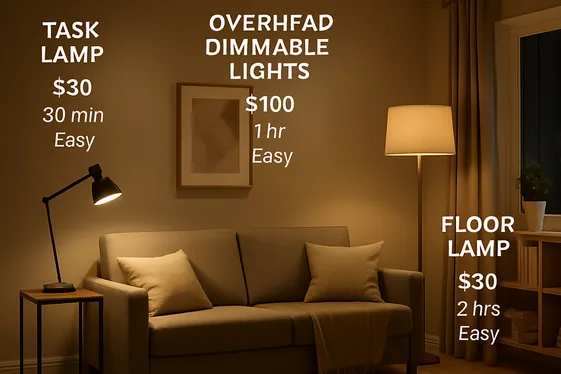
Cost: Moderate
Time: A few hours
Skill Level: Beginner to Intermediate
Best For: Creating zones
Layered lighting works wonders in apartment combos by combining overhead lights, floor lamps, and task lighting. I’ve noticed that mixing warm bulbs with adjustable fixtures helps define your living and sleeping areas without crowding the space. Think about placing a reading lamp near your bed and a brighter ceiling light in the living zone to balance function and mood.
In my experience, standing lamps with dimmers add flexibility, perfect for those late-night book sessions or early morning coffee moments. Keep cords tidy and aim for light sources at different heights to avoid shadows and create cozy corners without bulky furniture getting in the way.
17. Add Plants and Greenery to Soften and Divide Spaces
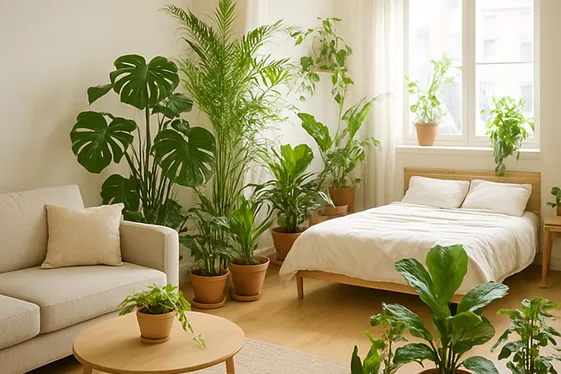
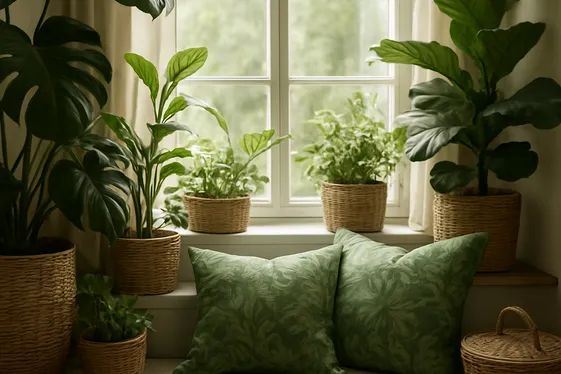
Plants bring life and texture to your apartment, making it feel fresh while creating natural boundaries. Position taller plants like fiddle leaf figs or snake plants near the edge of your living area to provide a subtle screen without closing off the space. Smaller pots with trailing vines work well on shelves or side tables to add greenery without overcrowding.
Integrating varying heights creates visual interest and helps your zones feel distinct without harsh dividers. For softer separation, line up a row of medium-sized plants along the bedroom’s footboard or the back of a sofa. Choose lightweight, mobile planters so you can easily switch locations as needed.
This approach not only gives you privacy but also improves air quality and adds calming vibes. Keep in mind some plants thrive better indoors, so pick low-maintenance varieties like pothos or ZZ plants to keep it easy and thriving.
18. Bulletproof Tips for Decorating Dual-Purpose Rooms
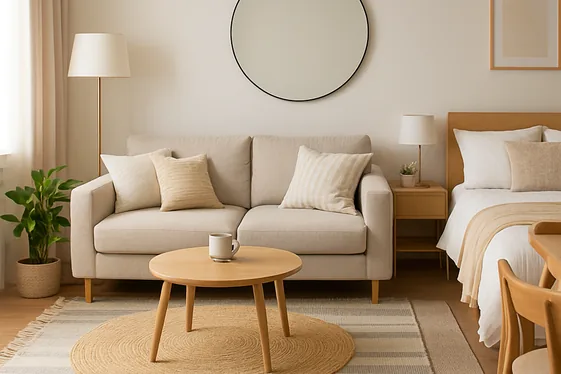
- Opt for multi-functional furniture like a sleeper sofa or a storage ottoman to maximize space and function.
- Define areas with rugs or lighting to visually separate sleeping and living spaces without bulky dividers.
- Keep color palettes cohesive but play with textures to distinguish zones subtly.
- Install floating shelves instead of bulky bookcases for extra storage without crowding.
- Use foldable or stackable items that can be stowed away when you want more room.
Balancing a dual-purpose room calls for thoughtful choices that keep things accessible yet cozy. Prioritize pieces that pull double duty—like a desk that also acts as a vanity or a bookshelf that doubles as a side table.
Layering different lighting—think floor lamps by the couch and soft bedside sconces—helps create distinct moods for both day and night. Small touches, like curtains or a decorative screen, can add privacy if needed without scalping space.
Conclusion
Tackling the challenge of combining your living room and bedroom in an apartment is all about smart planning and creative solutions. Whether it’s maximizing vertical storage, adding multi-functional furniture, or defining zones with rugs and lighting, these ideas help stretch your space’s potential without sacrificing comfort or style.
Privacy solutions like Murphy beds and sliding doors add flexibility, while color and greenery bring warmth and personality to your home. Each of these 18 ideas offers a unique approach to making your apartment feel organized, spacious, and truly yours. Remember, small spaces demand a personal touch and thoughtful design, so experiment with what feels right for your routine and style.
With the right combination, your living-bedroom combo can become both a functional hub and a cozy retreat. Have fun designing your perfect apartment setup in 2026 and beyond!