
How To Make Money Dropshipping for Beginners in 2026
1. Understanding Dropshipping Basics
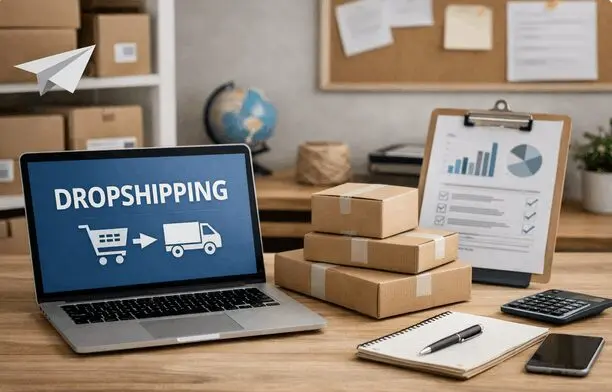
Dropshipping is a retail fulfillment method where a store doesn’t keep the products it sells in stock. Instead, when a customer places an order, the store buys the item from a third party and has it shipped directly to the customer. As a beginner, understanding the process is crucial. This model eliminates the need for inventory management, making it an attractive business model for new entrepreneurs with limited capital.
The dropshipping model offers flexibility and low upfront costs. However, beginners must conduct thorough market research to identify the right suppliers and products. Choosing a profitable niche is essential for success. By researching trends and customer needs, you can select products that have demand, ensuring a steady stream of sales. The key to dropshipping is not just selling products, but choosing ones that resonate with your target audience.
2. Setting Up an Online Store
To start making money with dropshipping, you need to set up an online store. Platforms like Shopify, WooCommerce, and BigCommerce provide user-friendly tools to create and manage your store. Once the platform is set up, you’ll need to customize it to reflect your brand and product offerings. Make sure to choose a clean, professional theme that enhances your customer’s shopping experience. Include important details like shipping policies and returns to build trust.
After setting up your store, the next step is product selection and adding it to your store. Carefully vet suppliers to ensure product quality and reliable shipping times. Many beginners make the mistake of working with unreliable suppliers, which can hurt their reputation. Automating order fulfillment processes is also important to streamline operations and focus on other areas like marketing and customer service. Efficiently managing your store will help boost your chances of success.
3. Marketing and Driving Traffic
Once your store is live, you need to attract traffic to your site. One of the most effective ways to do this is through social media advertising. Platforms like Facebook, Instagram, and TikTok are great for targeting specific audiences with paid ads. Social media marketing allows you to promote your products through creative posts, videos, and sponsored ads. Engaging with followers and offering valuable content will help you build a loyal customer base.
In addition to social media, search engine optimization (SEO) is an essential strategy for organic traffic. By optimizing your website’s content with the right keywords, you can rank higher on search engines like Google. Long-term SEO efforts will help reduce your reliance on paid ads, saving you money. Using influencer marketing and collaborations can also increase brand awareness and attract more customers to your dropshipping store.
4. Managing Customer Service and Retention
Customer service is critical in the dropshipping business. While you don’t control shipping times or product quality, you can ensure that your customers are satisfied by responding quickly to their inquiries and concerns. Offering excellent customer service builds trust and increases the likelihood of repeat business. Additionally, consider offering a hassle-free return policy to make customers feel more confident in their purchases.
Retention strategies like email marketing can help keep customers engaged. Regularly send out newsletters with promotions, new product releases, and updates. Personalized messages make customers feel valued, and can encourage them to return to your store. Remember, satisfied customers are more likely to recommend your store to others, driving further traffic and sales to your business. Focus on building long-term relationships with customers to ensure the continued success of your dropshipping business.
5. Scaling Your Dropshipping Business
Once you’ve established a solid foundation, it’s time to scale your dropshipping business. This means increasing your product offerings, improving marketing efforts, and expanding into new markets. To scale effectively, analyze your data to identify which products and marketing channels are performing the best. Invest in automation tools to streamline operations, saving you time and resources. As your sales grow, consider diversifying your supplier network to prevent over-reliance on a single source.

Scaling also involves increasing your marketing budget to reach a larger audience. You can run more paid ad campaigns, expand your reach with influencer partnerships, or implement additional marketing strategies such as content marketing and email campaigns. Diversifying your product range and finding unique selling points for your store will help you stand out in the competitive dropshipping market. Scaling effectively will lead to increased revenue and the potential for long-term success.
6. Selecting the Right Products for Profit
Product selection is one of the most important steps in building a successful dropshipping business. The key to generating profits is choosing products that not only have demand but also provide high-profit margins. Conduct thorough market research using tools like Google Trends, social media platforms, and competitor analysis to find trending products. Additionally, evaluate the competition to ensure that you can offer something unique or better than what’s already available.
It’s essential to test various products before committing to large-scale sales. Start by adding a few popular items to your store and monitor their performance. Look at metrics like conversion rates, customer feedback, and profit margins. You may also want to consider using product research tools to analyze potential suppliers and their shipping times. As your business grows, refine your product offerings based on data to continually enhance your store’s profitability.
7. Managing Supplier Relationships
Establishing a solid relationship with your suppliers is crucial to the success of your dropshipping business. While you don’t control the product quality or shipping time, you can ensure that your suppliers are reliable. Communication is key in this process. Be clear about your expectations for delivery times, quality, and any special requests you may have. A good supplier relationship will ensure that you’re prepared to handle any issues that arise with your orders or products.
When you find trustworthy suppliers, build a long-term partnership. This will help ensure product availability and quality consistency, which are critical for maintaining customer satisfaction. Some successful dropshippers even negotiate with suppliers to get better prices, faster shipping, or exclusive deals. By fostering a strong connection with your suppliers, you’ll be able to provide a better experience for your customers and reduce potential shipping issues.
8. Analyzing Your Dropshipping Performance
To optimize your dropshipping business and maximize profits, it’s essential to constantly track and analyze your performance. Regularly monitor key metrics such as conversion rates, average order value, traffic sources, and customer acquisition costs. Platforms like Google Analytics and Shopify Analytics can provide valuable insights into your store’s performance and highlight areas that need improvement.
By analyzing your store’s data, you can identify trends and make informed decisions about product offerings, pricing, and marketing strategies. If a particular product is underperforming, consider adjusting your marketing approach or testing alternative products. Similarly, if you notice that certain marketing channels are driving more sales, focus on investing more time and resources into those areas. Analyzing and adjusting your strategies will help ensure the continued growth of your dropshipping business.
9. Navigating Legal and Tax Requirements
Before diving deep into dropshipping, it’s essential to understand the legal and tax requirements that may apply to your business. As a dropshipper, you will be required to comply with local business laws, including registering your business, collecting taxes, and following consumer protection regulations. Many countries require businesses to charge sales tax on online sales, so it’s crucial to set up the necessary infrastructure for tax collection and remittance.
Additionally, you may need to consult with a tax professional to ensure you’re following the correct tax laws, especially if you’re operating in multiple regions. Consider the legalities of shipping internationally, particularly with regard to import/export regulations and duties. By staying on top of these legal requirements, you will avoid potential fines or legal complications, allowing you to focus on scaling your business.
10. Building a Brand Around Your Dropshipping Store
Branding plays a significant role in differentiating your dropshipping store from the competition. When starting, many dropshipping businesses operate on a generic model, which can make it hard to stand out. To build a successful long-term business, create a unique brand identity that speaks to your target audience. Develop a compelling story, design a memorable logo, and use consistent branding across your website and social media channels.
Creating a strong brand will foster trust and customer loyalty. You can even create a brand message that resonates with your target customers, such as emphasizing sustainability, quality, or affordability. Over time, customers will remember your brand, which will help you drive repeat business and expand your customer base. Invest in your branding efforts early on to set yourself apart from other dropshipping businesses in the marketplace.
11. Creating Effective Pricing Strategies
Pricing is another critical aspect of your dropshipping business. Setting the right price for your products is a balancing act—you need to ensure you’re competitive while still making a profit. One common strategy is keystone pricing, which doubles the wholesale price. However, you may want to test different pricing strategies, such as offering discounts, limited-time promotions, or bundle deals to entice customers.
It’s also essential to consider your target market and what they are willing to pay for your products. If you’re selling high-quality, niche items, you may be able to price them higher than generic products. On the other hand, if you’re in a highly competitive market, offering lower prices may help you attract more customers. Be sure to evaluate your pricing regularly to stay competitive and ensure your margins remain healthy.
12. Handling Returns and Refunds Efficiently
Returns and refunds are an inevitable part of dropshipping. Even though you don’t control inventory, it’s essential to have a clear and efficient returns process in place for your customers. A customer-friendly return policy builds trust and can turn first-time buyers into repeat customers. Ensure that your return policy is easy to find on your website and clearly outlines how returns will be handled.
To streamline the process, consider using a return management platform or automated system that helps you manage returns quickly and efficiently. Always communicate with your customers about their return status and ensure that they are kept in the loop. While returns are part of doing business, handling them professionally can enhance customer satisfaction and contribute to a positive reputation for your store.