
14 cozy therapy office ideas
1. Neutral Tones for Calming Spaces
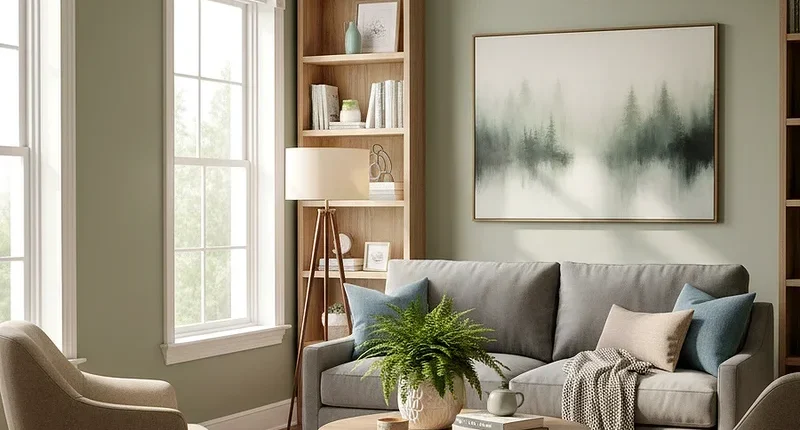
Neutral tones like soft greys, beiges, and whites are ideal for a therapy office. These colors create a serene and inviting atmosphere, making clients feel relaxed and at ease. Choose walls painted in these soothing shades, complemented by light wood furniture and soft textiles like cotton throws and linen cushions. The absence of bright colors helps keep distractions to a minimum, allowing clients to focus on the therapy process.
Incorporating natural elements such as plants can further enhance the calming environment. Add a few potted plants around the office to bring life into the room without overwhelming the senses. Natural greenery promotes tranquility and has been shown to reduce stress, making it an essential addition to any therapy office.
2. Comfortable Seating for Relaxation
Comfortable seating is a must in any therapy office. Opt for plush armchairs or sofas that invite clients to sit back and unwind. A welcoming seating area helps foster trust and openness during therapy sessions. Choose furniture with soft fabrics like velvet or microfiber, as they add comfort and warmth to the space.
Additionally, consider varying seating options for different preferences. Some clients may feel more comfortable in a recliner or lounge chair, while others prefer a more traditional couch setup. Ensuring flexibility in seating arrangements will accommodate a range of client needs and enhance their overall experience in the office.

3. Warm Lighting for a Cozy Ambience
Lighting plays a crucial role in setting the mood of a therapy office. Soft, warm lighting helps create a cozy and intimate atmosphere, making clients feel more comfortable during sessions. Avoid harsh overhead lights and opt for table lamps with warm-toned bulbs. This kind of lighting can reduce anxiety and make the space feel more inviting.
For an extra touch of coziness, consider incorporating dimmable lights. This allows you to adjust the brightness based on the time of day and the mood you want to create. A soft glow not only enhances comfort but also promotes relaxation and openness, which is essential in a therapy setting.
4. Personal Touch with Artwork
Add personal touches through carefully selected artwork that reflects tranquility and positivity. Soft abstract paintings or nature-inspired prints can evoke a sense of calm without overwhelming the space. Hang a few pieces that resonate with the therapeutic atmosphere you want to create, ensuring that the art complements the overall design of the office.
Artwork should not be too bold or distracting. Instead, choose pieces that are subtle and promote feelings of well-being. Personal artwork also allows the space to feel more authentic and genuine, helping clients connect with the environment on a deeper level.

5. Incorporating Soft Fabrics
Soft fabrics such as plush throws, cushions, and rugs can make a significant difference in the feel of a therapy office. These textiles not only add comfort but also introduce texture and warmth. A cozy rug underfoot helps to reduce any harsh echoes in the room, creating a peaceful sound environment during therapy sessions.
Throw blankets and pillows in soft fabrics like fleece or chenille can invite clients to relax and unwind. These small yet thoughtful additions make the space feel more homely, ensuring that the client feels safe and comfortable from the moment they walk in.
6. Creating a Quiet Corner for Reflection
A quiet corner can offer clients a space for self-reflection before or after their session. Include a comfortable chair, soft lighting, and perhaps a small table with inspirational books or journals. This area allows individuals to process their thoughts in a peaceful environment, adding to the therapeutic experience.
Keep the space simple and uncluttered, with only a few essential items like a plant or a calming image on the wall. The idea is to provide a space where clients can be alone with their thoughts in a calm and peaceful atmosphere, adding depth to their therapy experience.
7. Minimalistic Design for Focus
A minimalistic design in the therapy office can help clients focus on the session rather than the surroundings. Keep decor to a minimum, opting for clean lines and simple furniture. A clutter-free environment promotes clarity and allows clients to feel at ease. Too much decor can feel overwhelming, so it’s important to focus on quality over quantity.
Consider using storage solutions that are both functional and discreet. This ensures that everything you need is easily accessible, but the room remains organized and free from distractions, encouraging a more productive and focused therapy session.
8. Natural Elements like Wood and Stone
Incorporating natural materials such as wood and stone into your therapy office adds a grounding, earthy feel. A wood desk, stone accents, or wooden flooring can evoke a sense of calm and connection with nature. These materials are timeless and work well in creating a therapeutic space that feels welcoming and peaceful.
Wooden furniture or stone sculptures can serve as focal points in the office, grounding the environment and giving it a natural flow. These materials also pair well with neutral tones, enhancing the overall aesthetic of the room while keeping the atmosphere tranquil and relaxed.
9. Aromatherapy for a Relaxing Atmosphere
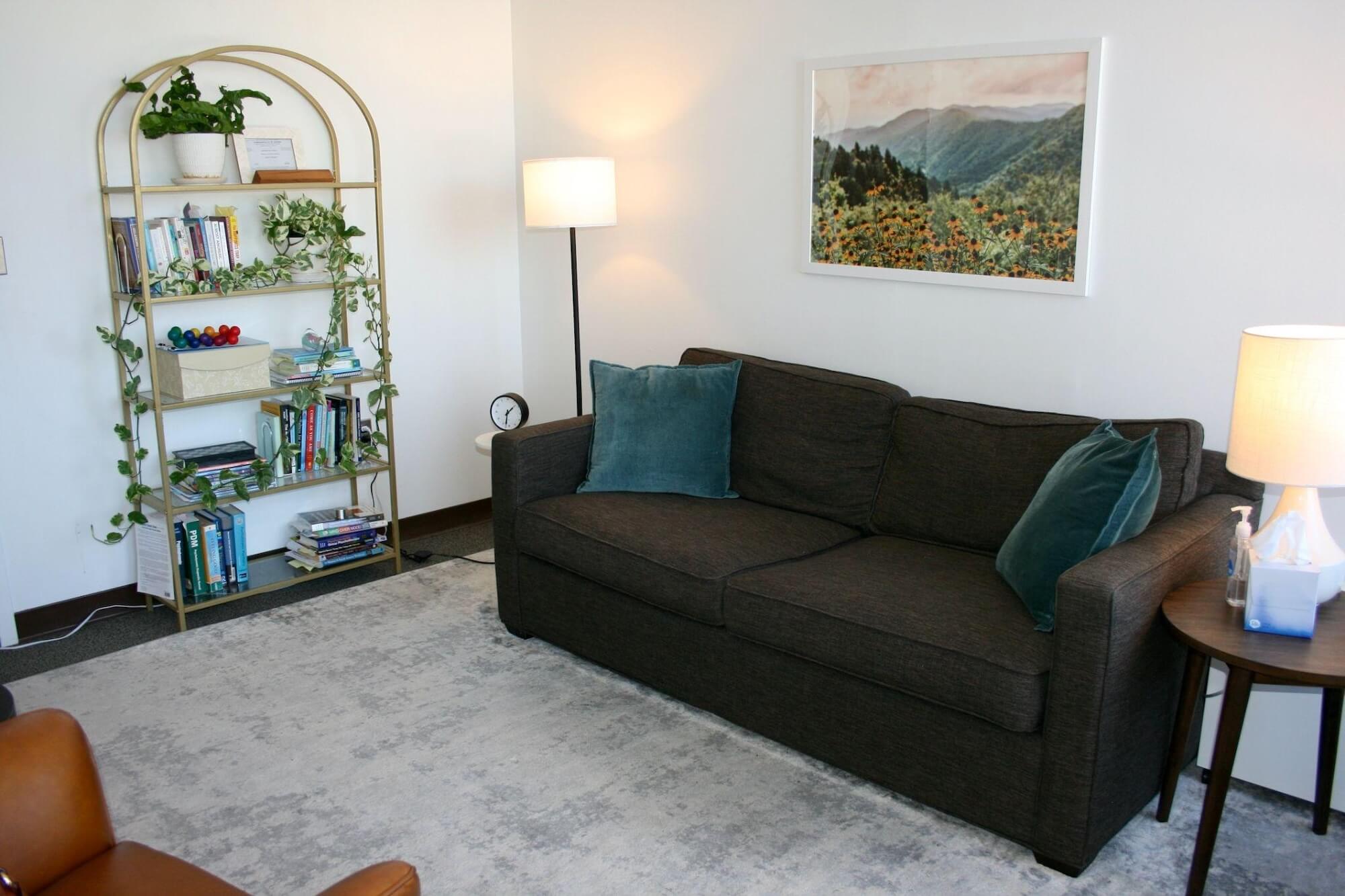
Aromatherapy can play a key role in creating a calming environment in a therapy office. Essential oils such as lavender, chamomile, or eucalyptus can be diffused to help reduce anxiety and promote relaxation. You can use a diffuser to gently fill the room with soothing scents that encourage peace and tranquility.
Ensure that the scent is subtle, as strong aromas can be distracting. Aromatherapy offers a non-intrusive way to enhance the therapeutic atmosphere, supporting the emotional and mental well-being of both the therapist and client.
10. Functional Storage Solutions
Storage is crucial in a therapy office to keep everything organized and easily accessible. Use built-in shelves or cabinets to store necessary materials like therapy tools, files, and books. Keeping these items neatly out of sight helps maintain the clean, minimalist aesthetic of the space while allowing you to stay organized.
Opt for functional yet stylish storage that complements the overall design. For example, baskets or wooden boxes can blend seamlessly into the room’s decor while providing necessary storage for smaller items. Well-organized storage helps maintain a calming, clutter-free environment.
11. Soft Accent Lighting with Candles
While traditional lighting can be practical, accent lighting using candles can create a serene and peaceful atmosphere. Scented candles with calming scents like vanilla or sandalwood add an extra layer of relaxation to the office. Place a few candles around the room to enhance the soothing ambiance, especially during evening sessions.
Electric candles or battery-operated lights can also provide the same calming effect without the need for real flames. This ensures the space remains safe while still benefiting from the warm, cozy glow that candles offer.
12. A Flexible Space for Activities
Therapy offices should be flexible to cater to different therapeutic activities. A small section of the room with movable furniture or a floor mat allows space for clients to engage in activities like mindfulness exercises or yoga. Providing a dynamic space for movement can help clients express themselves more freely.
Adjustable furniture, such as chairs that can be moved around or a table that can be used for various activities, adds versatility to the office. This ensures the environment is adaptable to different therapeutic needs and enhances the overall experience.
13. Inspirational Quotes on the Walls
Adding inspiring quotes to the walls of your therapy office can create a positive and uplifting environment. Choose phrases that encourage growth, healing, and self-love. Displaying these quotes can motivate and empower clients, helping them to feel more optimistic about their therapy journey.
Consider using framed prints or even handwritten signs for a more personal touch. Placing these quotes in strategic locations, such as above the seating area or near the entrance, can set the tone for the session, fostering an atmosphere of encouragement and positivity.

14. Functional and Aesthetic Color Accents
While neutral tones form the base of the therapy office, adding small pops of color can make the space feel more inviting without overwhelming it. Use colors like soft blues or greens to promote calmness, or warm tones like mustard yellow to add a touch of energy and optimism.
These color accents can be introduced through throw pillows, rugs, or artwork. Keeping the balance of color subtle ensures the space remains soothing, while still giving it personality and warmth that enhances the client’s sense of comfort and well-being.