
17 Ways to Stop Living Paycheck to Paycheck Guide
17 Ways to Stop Living Paycheck to Paycheck Guide
Living paycheck to paycheck is a common challenge for many homeowners in the USA, but it doesn’t have to be your reality. This comprehensive guide offers 17 actionable ways to build financial stability, reduce stress, and create lasting wealth, empowering you to take control of your finances in 2026 and beyond.
1. Track Your Monthly Expenses with Precision
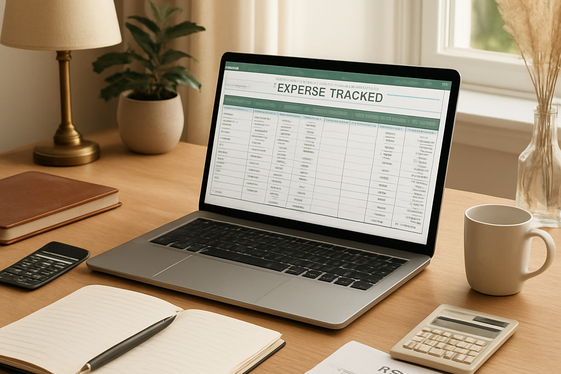
Tracking your monthly expenses with precision helps you understand exactly where your money is going. Use budgeting apps or spreadsheets to categorize spending and identify areas where you can cut back. This insight is crucial for homeowners balancing mortgage payments, utilities, and daily expenses, ensuring you make informed financial decisions and avoid surprises that can keep you living paycheck to paycheck.
2. Create a Realistic Budget That Works for You
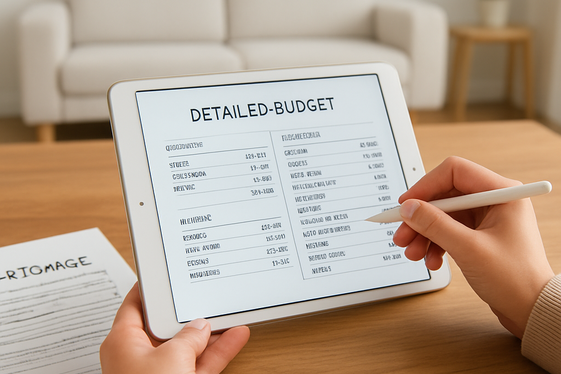
Creating a realistic budget tailored to your income and expenses is fundamental to breaking the paycheck cycle. Base your budget on actual spending habits, including mortgage, insurance, and maintenance costs relevant to homeowners. Allocate funds for essentials, savings, and leisure while sticking to limits. This disciplined approach helps you manage your money confidently in 2026, preventing overspending and building financial security.
3. Build an Emergency Fund for Unexpected Costs
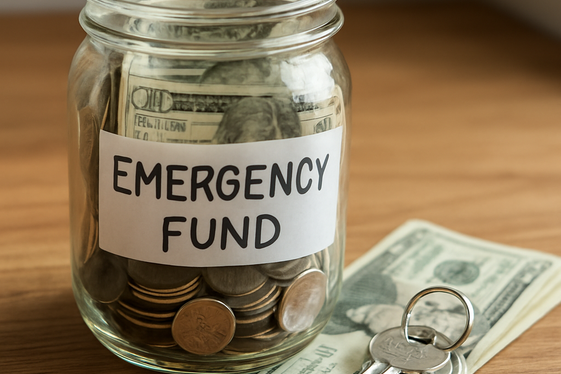
An emergency fund acts as a financial safety net for unexpected expenses, such as home repairs or medical bills. Aim to save at least three to six months’ worth of living expenses in a separate, accessible account. For homeowners, this fund can prevent relying on credit cards or loans during urgent situations, reducing stress and keeping your financial goals on track.
4. Prioritize Paying Off High-Interest Debt

High-interest debt, especially credit card balances, drains your finances with costly interest payments. Prioritize paying these off swiftly to free up more money for saving and investing. Homeowners can benefit by channeling funds toward debt repayment instead of accumulating interest, which ultimately puts you in a stronger position to handle mortgage and maintenance costs without financial strain.
5. Automate Your Savings to Build Discipline
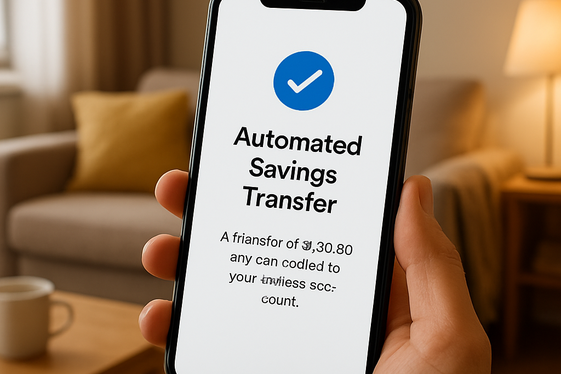
Automating your savings ensures consistent progress toward your financial goals without requiring constant effort. Set up automatic transfers from your checking to savings or investment accounts after each paycheck. This strategy helps homeowners build savings painlessly, whether for a down payment on a home upgrade or a holiday fund, and prevents accidental overspending by treating savings as a non-negotiable expense.
6. Cut Unnecessary Subscriptions and Expenses

Cutting unnecessary subscriptions and expenses can free up significant monthly cash flow. Review all recurring payments like streaming services, gym memberships, or magazine subscriptions and cancel those underused or redundant. As a homeowner, this extra money can be redirected toward mortgage payments or home improvement projects, making a tangible difference in your financial stability.
7. Increase Your Income with Side Hustles

Increasing your income through side hustles can be a game-changer when trying to stop living paycheck to paycheck. Whether it’s freelancing, tutoring, or renting a room in your home, additional revenue streams create a buffer for savings and debt repayment. In 2026, explore flexible, home-based opportunities that suit your schedule and skillset, providing both financial relief and growth potential.
8. Refinance Your Mortgage for Better Terms
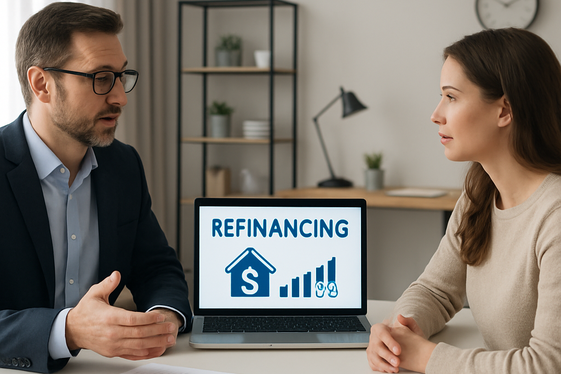
Refinancing your mortgage could reduce your monthly payments or lower your interest rate, freeing up money for savings or paying down other debts. Evaluate current market rates and consult with lenders to see if refinancing makes sense for your financial situation. Homeowners who refinance strategically in 2026 can achieve improved cash flow and long-term financial benefits, easing the paycheck to paycheck struggle.
9. Shop Smart with Discounts and Coupons

Shopping smart by using discounts, coupons, and store loyalty programs helps reduce everyday expenses without compromising quality. Plan purchases ahead and compare prices online to find the best deals on groceries, home supplies, and essentials. Savvy spending allows homeowners to save money consistently, adding up to substantial savings that reduce financial pressure over time.
10. Plan Meals to Reduce Food Waste

Meal planning reduces food waste and lowers grocery bills by buying only what you need for the week. Preparing meals at home instead of dining out also maximizes your budget. For homeowners balancing busy lifestyles, this method promotes healthier eating and financial discipline, which supports greater control over your monthly spending and helps break the paycheck to paycheck cycle.
11. Invest in Retirement Accounts Early

Investing in retirement accounts such as a 401(k) or IRA early maximizes growth potential through compounding interest. Even small, consistent contributions can make a significant difference over time. Homeowners should view retirement savings as a priority, ensuring financial independence beyond mortgage payments. Starting or increasing contributions in 2026 leverages current market opportunities for long-term security.
12. Sell Unused Items Around Your Home

Selling unused or unwanted items around your home is an effective way to generate extra cash. Decluttering not only improves your living space but also provides funds that can go toward savings or debt reduction. This approach helps homeowners convert idle assets into financial resources, creating a practical solution to ease money shortages without major lifestyle changes.
13. Use Cash-Back and Rewards Credit Cards Wisely

Using cash-back and rewards credit cards wisely means paying off balances in full each month to avoid interest charges while earning perks. Choose cards that align with your spending habits and offer valuable rewards like travel points or grocery discounts. This strategy converts everyday expenses into benefits, helping homeowners save money indirectly and improve overall financial health in 2026.
14. Limit Impulse Purchases with the 24-Hour Rule

Limiting impulse purchases by adopting the 24-hour rule—waiting a full day before buying non-essential items—curbs overspending. This pause often reveals if the purchase is necessary or just an emotional reaction. Homeowners benefit by making more deliberate spending choices, which helps to preserve funds for important obligations like mortgage payments and home maintenance.
15. Set Financial Goals with Clear Milestones
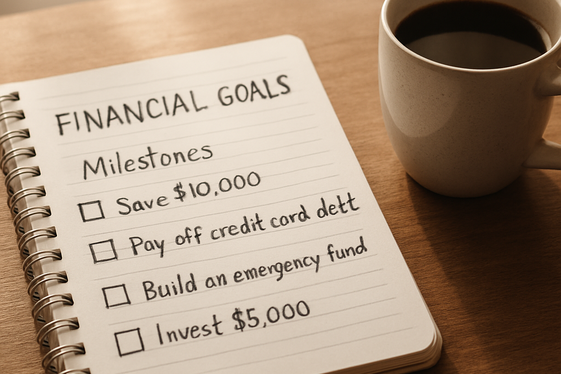
Setting financial goals with clear milestones keeps you motivated and focused. Define short-term and long-term objectives such as paying off debt or building a down payment for home improvements. Tracking progress regularly helps maintain momentum and celebrate achievements, transforming overwhelming financial challenges into manageable tasks that promote lasting change.
16. Seek Professional Financial Advice

Seeking professional financial advice can offer tailored strategies to optimize your budget, debt management, and savings. Financial advisors understand the unique challenges homeowners face and provide expert insights for maximizing cash flow. Consulting a professional in 2026 ensures you are leveraging the best tools and resources to escape living paycheck to paycheck efficiently.
17. Review and Adjust Your Plan Quarterly

Reviewing and adjusting your financial plan quarterly keeps your budget aligned with changing income, expenses, and goals. Life circumstances evolve, so staying flexible and proactive helps you avoid falling back into old habits. For homeowners, regular check-ins allow timely refinements to mortgage and maintenance budgets, ensuring continuous progress toward financial independence.