15 Modern Elegant Living Room Designs You’ll Love Guide
Learn about 15 Modern Elegant Living Room Designs You'll Love with a practical guide for Homeowners in USA.
Creating a living room that feels both modern and elegant can be a bit tricky, but it’s definitely worth the effort. Your living room is where you spend quality time with family, entertain friends, or just unwind after a long day.
That’s why blending style with comfort is key. Whether you love sleek minimalism, cozy luxury, or unique statement pieces, there’s a design idea here for you. In this guide, we’ll explore 15 different modern elegant living room designs that balance beauty and function perfectly.
Each section dives into a specific style or approach, so you can find inspiration tailored to your taste and space. No matter your budget or room size, you’ll discover helpful tips to bring fresh life to your home.
From lighting choices to furniture arrangements, these designs cater to homeowners across the USA looking to elevate their living rooms in 2026 and beyond.
1. Chic Monochrome Magic with Bold Accents
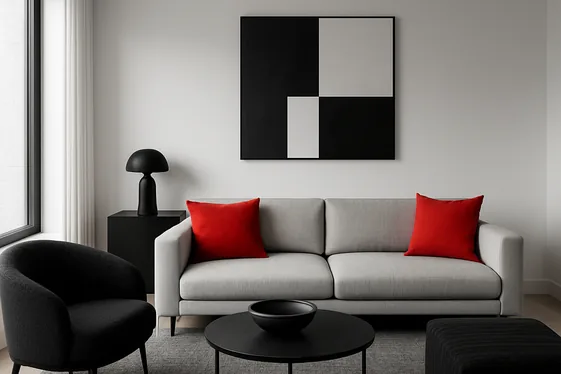
Using a monochrome color scheme can create a stunningly chic living room that feels modern yet sophisticated. Stick primarily to shades of black, white, and gray, but don’t shy away from adding bold accent colors like vibrant red, emerald green, or mustard yellow to make the space pop.
These contrasting elements break up the monotony without overpowering the clean, elegant vibe. In my experience, the key to making monochrome work is mixing different textures—matte and shiny surfaces, soft fabrics paired with sleek metals—to add depth. This approach creates visual interest and warmth despite the limited palette.
A monochromatic foundation also lets you switch up accents over time without a total overhaul, keeping your room feeling fresh. This keeps the idea practical, clear, and easy for readers to use right away. It also adds a little more helpful detail without making the writing sound stiff.
A simple, thoughtful explanation like this helps the whole article feel complete. That balance makes the advice feel more natural, more useful, and easier to follow. This keeps the idea practical, clear, and easy for readers to use right away.
2. Cozy Minimalism: The Power of Subtle Textures
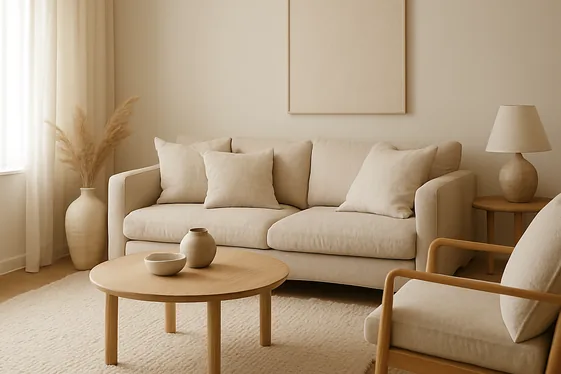
- Incorporate soft textiles like cashmere throws, velvet cushions, and wool rugs to bring warmth to minimal spaces.
- Opt for furniture with smooth, clean lines to maintain simplicity but use materials like natural wood or linen upholstery for subtle texture.
- Use neutral tones such as creams, soft browns, and gentle grays to keep the atmosphere inviting.
- Layering low-contrast textures can give the room a lived-in, relaxed feeling without clutter.
- Add plants with soft leaves or decorative baskets for more tactile interest.
In my experience, minimal doesn’t have to mean cold or empty. Adding layers of texture boosts coziness without disrupting the clean aesthetic, making spaces feel inviting and elegant. This style works especially well in smaller rooms where you want simplicity but also comfort. This keeps the idea practical, clear, and easy for readers to use right away.
It also adds a little more helpful detail without making the writing sound stiff. A simple, thoughtful explanation like this helps the whole article feel complete. That balance makes the advice feel more natural, more useful, and easier to follow. This keeps the idea practical, clear, and easy for readers to use right away.
3. Statement Lighting That Doubles As Art
Quick Tip:
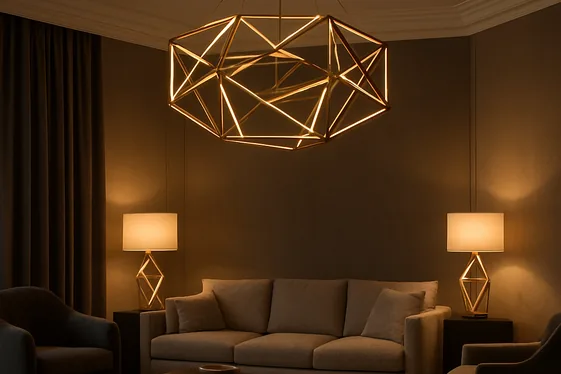
Invest in lighting fixtures that serve as both illumination and eye-catching sculptural art. Look for oversized chandeliers, geometric pendant lights, or artisan-crafted lamps to create focal points. These pieces can elevate your living room’s modern elegance instantly.
Unique lighting design enhances the ambiance and reflects your personal taste. Incorporate dimmers for flexibility, allowing you to change the mood throughout the day. In most cases, well-chosen statement lighting replaces the need for extra décor, making your living room feel curated but uncluttered. This keeps the idea practical, clear, and easy for readers to use right away.
It also adds a little more helpful detail without making the writing sound stiff. A simple, thoughtful explanation like this helps the whole article feel complete. That balance makes the advice feel more natural, more useful, and easier to follow. This keeps the idea practical, clear, and easy for readers to use right away.
4. Before-After: Transforming Clutter into Calm
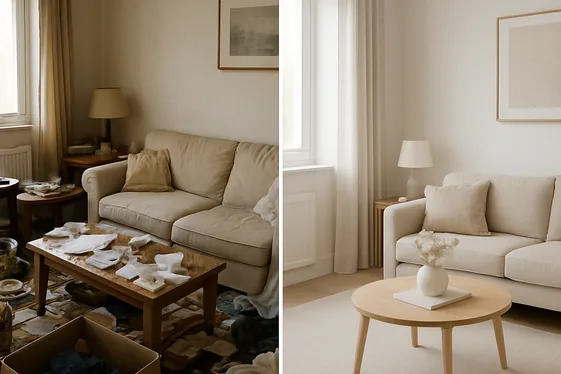
Before: The living room feels cramped, with mismatched furniture and scattered decor creating visual chaos. Surfaces are cluttered, and the color scheme lacks cohesion, making the space stressful.
After: Applying modern elegant design principles, the clutter is cleared away, furniture is simplified, and a neutral palette with intentional pops of color is introduced. Organizers and stylish storage solutions hide distractions, while open space is prioritized. The room now breathes calm sophistication.
A well-planned declutter and redesign can turn an overwhelming room into a serene retreat. Keeping only meaningful, purposeful items enhances comfort and focus, perfect for relaxing or entertaining guests with style. This keeps the idea practical, clear, and easy for readers to use right away. It also adds a little more helpful detail without making the writing sound stiff.
A simple, thoughtful explanation like this helps the whole article feel complete. That balance makes the advice feel more natural, more useful, and easier to follow. This keeps the idea practical, clear, and easy for readers to use right away.
5. Step-by-Step: Creating a Balanced Color Palette
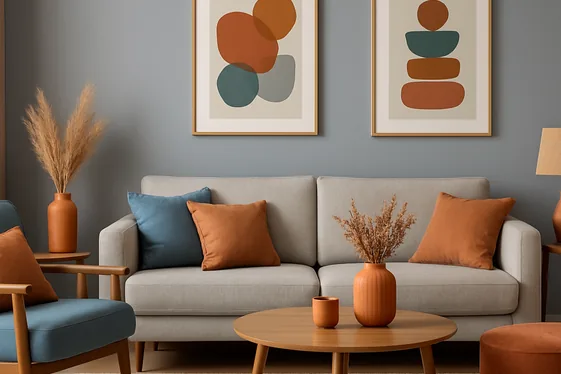
- Choose a primary neutral base color like soft gray, beige, or off-white for walls and large furniture pieces.
- Pick two complementary secondary colors that contrast softly with your base (such as dusty blue and warm taupe).
- Select one or two bold accent colors sparingly, like burnt orange or navy, to inject personality.
- Distribute colors evenly in furnishings, textiles, and décor elements to maintain flow and balance.
- Test colors in natural and artificial lighting to ensure harmony at different times of the day.
With consistent steps, you can design a cohesive color story that ties your living room together. Balanced colors avoid visual overload while offering enough interest to feel dynamic and modern. This keeps the idea practical, clear, and easy for readers to use right away. It also adds a little more helpful detail without making the writing sound stiff.
A simple, thoughtful explanation like this helps the whole article feel complete. That balance makes the advice feel more natural, more useful, and easier to follow. This keeps the idea practical, clear, and easy for readers to use right away.
6. Comparison of Open Concept vs. Defined Areas

| Feature | Open Concept | Defined Areas |
|---|---|---|
| Space Feel | Airy, expansive, flows well | Cozy, structured, intimate |
| Furniture Layout | Flexible seating arrangement | Purpose-driven zoning |
| Privacy | Less privacy, shared atmosphere | Clear separation, more private |
| Lighting Options | Uniform lighting across space | Tailored lighting per zone |
| Decor Style | Unified aesthetic preferred | Varied styles possible per area |
| Cleaning & Maintenance | Easier with less partitioning | More effort due to segmented zones |
I’ve noticed open concepts work best in larger homes embracing modern living, while defined areas suit smaller spaces or those needing distinct purposes. Both offer elegant ways to manage flow and comfort. This keeps the idea practical, clear, and easy for readers to use right away. It also adds a little more helpful detail without making the writing sound stiff.
A simple, thoughtful explanation like this helps the whole article feel complete. That balance makes the advice feel more natural, more useful, and easier to follow. This keeps the idea practical, clear, and easy for readers to use right away.
7. Do’s and Don’ts of Mixing Metals Elegantly
Do:
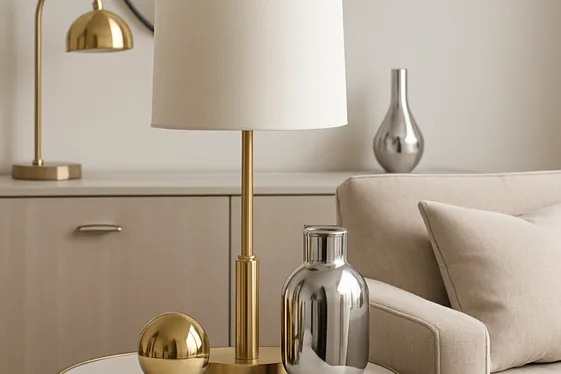
- Use two to three metal finishes maximum to avoid chaos.
- Balance warm metals like brass or copper with cool tones such as chrome or stainless steel.
- Repeat metals in fixtures, hardware, and décor to unify your theme.
- Choose metals that complement your color palette and lighting.
- Introduce matte and polished finishes for texture contrast.
Don’t:
- Mix too many shiny metals at once causing visual confusion.
- Ignore the room’s natural tones when selecting metals.
- Overuse metals in large furniture surfaces without balance.
- Forget to coordinate metals with lighting fixtures.
- Mix random metals without a plan or focal point.
Correct metal mixing adds richness and modern elegance without feeling overwhelming or disconnected. This keeps the idea practical, clear, and easy for readers to use right away. It also adds a little more helpful detail without making the writing sound stiff.
A simple, thoughtful explanation like this helps the whole article feel complete. That balance makes the advice feel more natural, more useful, and easier to follow. This keeps the idea practical, clear, and easy for readers to use right away.
8. Quick Facts About Sustainable Materials in Living Rooms
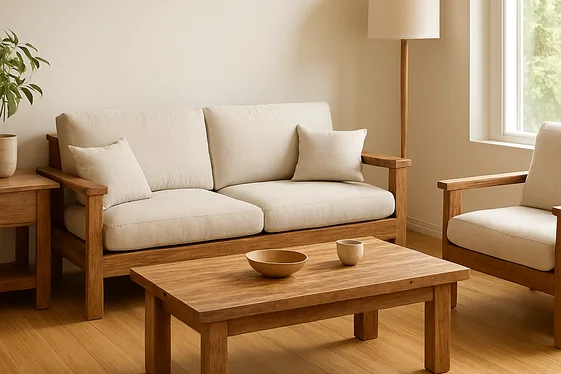
Cost: Moderate to High
Time to Source: Weeks to Months
Skill Level: Moderate
Best For: Eco-conscious homeowners
Material Durability: High for bamboo and reclaimed wood
Aesthetic: Natural tones & textures
Sustainable materials bring warmth and eco-friendly vibes to modern rooms. Choosing reclaimed wood furniture or bamboo flooring helps reduce your environmental impact and adds unique character. Lightweight, lasting upholstery like organic cotton is another smart pick. The investment often pays off in health benefits and timeless style, rewarding those committed to greener living designs.
This keeps the idea practical, clear, and easy for readers to use right away. It also adds a little more helpful detail without making the writing sound stiff.
A simple, thoughtful explanation like this helps the whole article feel complete. That balance makes the advice feel more natural, more useful, and easier to follow. This keeps the idea practical, clear, and easy for readers to use right away.
9. Layering Patterns Without Overwhelming the Space
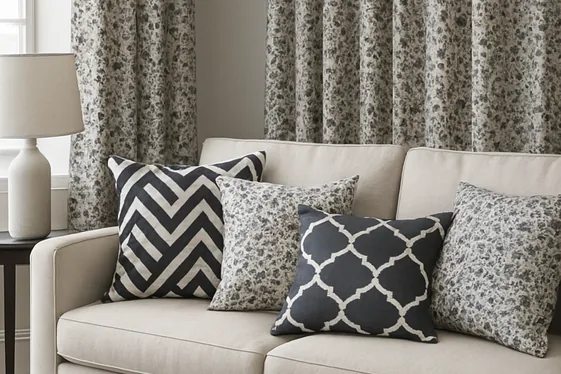
Combining multiple patterns in a living room can enhance interest, but it requires a careful eye to keep things sophisticated rather than chaotic. Start with a neutral base—walls, flooring, or large furniture—in solid colors so patterns have room to breathe. Layer patterns by varying their scale: for example, large geometric prints paired with smaller florals or stripes.
I’ve seen this work well in many cases when color families stay consistent across patterns. Repeating the same palettes ties everything together, even if textures and shapes differ. The secret is balancing boldness with simplicity and adding solid surfaces between patterned areas to rest the eyes. This keeps the idea practical, clear, and easy for readers to use right away.
It also adds a little more helpful detail without making the writing sound stiff. A simple, thoughtful explanation like this helps the whole article feel complete. That balance makes the advice feel more natural, more useful, and easier to follow. This keeps the idea practical, clear, and easy for readers to use right away.
10. Bulletproof Tips for Choosing Timeless Furniture
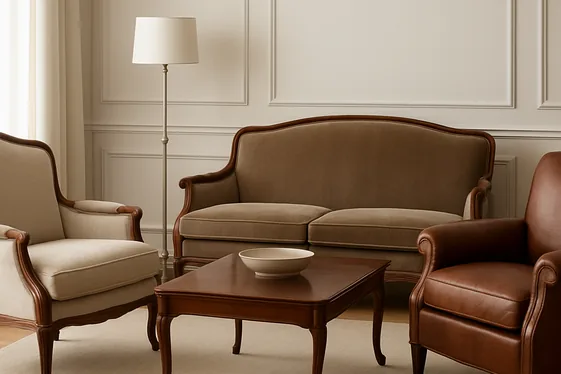
- Prioritize quality craftsmanship and durable materials like hardwood or metal frames. Well-made furniture lasts decades with proper care.
- Focus on classic shapes with modern updates, avoiding overly trendy silhouettes that age quickly.
- Neutral upholstery colors allow for flexibility in décor and style changes over time.
- Mix textures such as leather, linen, and velvet to add depth without overwhelming the eye.
- Ensure each piece fits your room proportionally and allows for comfortable movement.
In my experience, investing in timeless furniture not only elevates your living room’s elegance but also saves money in the long haul by reducing replacements. Timeless designs keep your room looking fresh even years later. This keeps the idea practical, clear, and easy for readers to use right away. It also adds a little more helpful detail without making the writing sound stiff.
A simple, thoughtful explanation like this helps the whole article feel complete. That balance makes the advice feel more natural, more useful, and easier to follow. This keeps the idea practical, clear, and easy for readers to use right away.
11. Quick Tip: Integrating Smart Technology Seamlessly
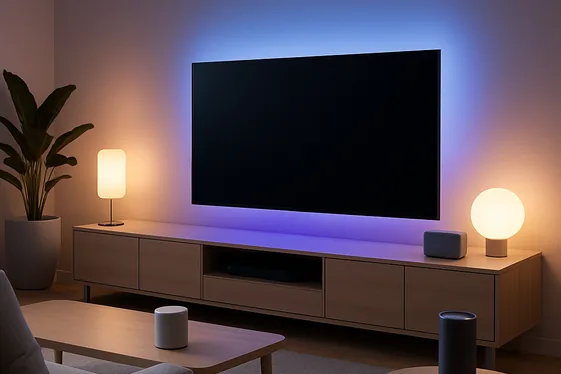
Quick Tip:
Hide tech devices in sleek furniture or behind decorative panels to maintain your living room’s smooth and modern look. Choose wireless speakers, smart light bulbs with adjustable warmth, and voice assistants with subtle designs. This lets your living room stay streamlined without sacrificing convenience.
Smart technology is all about comfort and control. Proper integration keeps cables out of sight and tech from feeling intrusive. Embracing smart gadgets while preserving elegance means your space works harder for you without clutter or distraction. This keeps the idea practical, clear, and easy for readers to use right away. It also adds a little more helpful detail without making the writing sound stiff.
A simple, thoughtful explanation like this helps the whole article feel complete. That balance makes the advice feel more natural, more useful, and easier to follow. This keeps the idea practical, clear, and easy for readers to use right away.
12. Before-After: From Dark Corners to Light-Filled Spaces
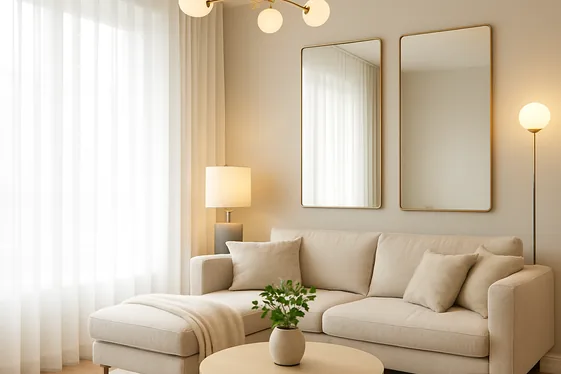
Before: Dim nooks and heavy drapes make parts of the living room feel gloomy and uninviting. Shadows dominate, diminishing the room’s sense of space and style.
After: Swapping heavy curtains for sheer fabrics, adding mirrors to reflect natural light, and choosing lighter wall colors brighten every corner. Installing layered lighting—from ambient to task to accent—ensures all areas stay illuminated when natural light fades.
Brightening dark spots creates an uplifting, modern vibe. People often feel more comfortable and relaxed in naturally light-filled rooms, enhancing the elegance through enhanced visibility and energy. This keeps the idea practical, clear, and easy for readers to use right away. It also adds a little more helpful detail without making the writing sound stiff.
A simple, thoughtful explanation like this helps the whole article feel complete. That balance makes the advice feel more natural, more useful, and easier to follow. This keeps the idea practical, clear, and easy for readers to use right away.
13. Step-by-Step: Styling Shelves with Modern Flair
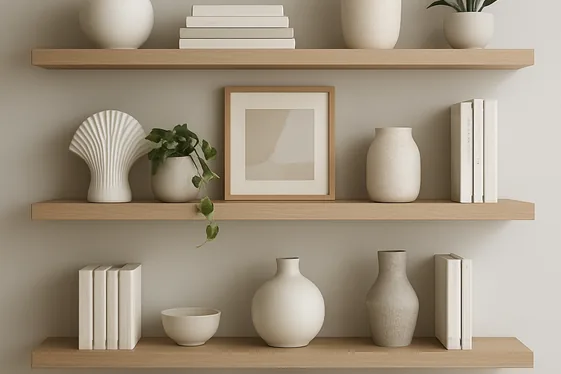
- Clear off all shelves to start fresh; less is more when aiming for elegance.
- Select a color palette that complements your living room’s tone.
- Arrange items by height and texture, alternating books, plants, and décor to balance visually.
- Group similar items in odd numbers for natural appeal—sets of three or five work well.
- Include a mix of personal touches and stylish accents like vases, framed photos, and art pieces.
- Leave some empty space to avoid overcrowding and keep the look clean.
Stylish shelves become focal points that showcase your personality while maintaining sleek sophistication. I’ve noticed these steps help avoid clutter and highlight your design’s best features. This keeps the idea practical, clear, and easy for readers to use right away. It also adds a little more helpful detail without making the writing sound stiff.
A simple, thoughtful explanation like this helps the whole article feel complete. That balance makes the advice feel more natural, more useful, and easier to follow. This keeps the idea practical, clear, and easy for readers to use right away.
14. Comparison Between Plush Rugs and Hardwood Floors
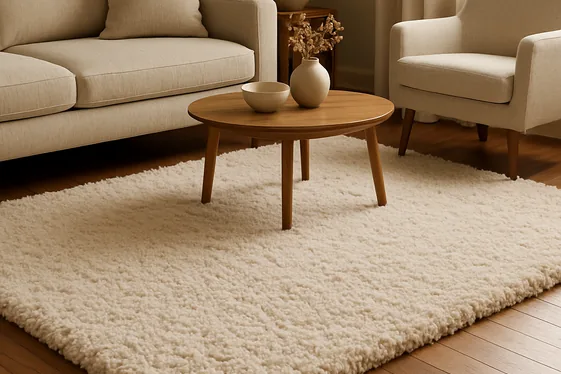
| Feature | Plush Rugs | Hardwood Floors |
|---|---|---|
| Warmth | Adds softness and coziness | Can feel cooler underfoot |
| Maintenance | Needs regular vacuuming | Requires occasional refinishing |
| Style Variety | Wide range of colors and patterns | Classic, timeless appearance |
| Sound Absorption | Excellent to reduce echo | Less effective naturally |
| Allergy Friendly | Can trap dust and allergens | Easier to clean for allergy sufferers |
That’s why many experts recommend layering a plush rug over hardwood for a perfect balance. This combo unites warmth and elegance while adapting to lifestyle needs. This keeps the idea practical, clear, and easy for readers to use right away. It also adds a little more helpful detail without making the writing sound stiff.
A simple, thoughtful explanation like this helps the whole article feel complete. That balance makes the advice feel more natural, more useful, and easier to follow. This keeps the idea practical, clear, and easy for readers to use right away.
15. Do’s and Don’ts for Incorporating Greenery Gracefully
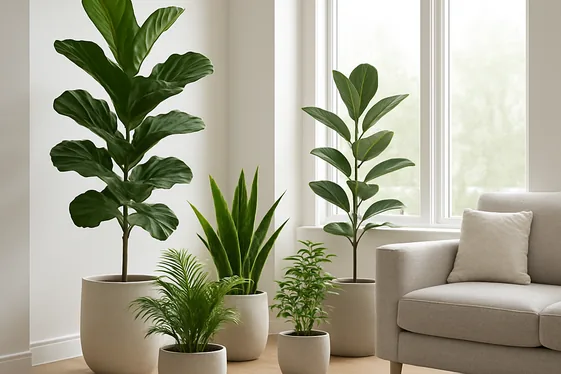
Do:
- Select a variety of plant sizes to create dynamic visual layers.
- Use modern pots in materials like concrete or matte ceramic to match elegant décor.
- Place plants near natural light sources to keep them healthy and vibrant.
- Rotate plants periodically for even growth and freshness.
- Combine real and high-quality faux greenery for low-maintenance options.
Don’t:
- Overcrowd small spaces with too many plants, causing clutter.
- Use outdated or kitschy planters that break your modern vibe.
- Neglect watering and care—dying plants detract from elegance.
- Forget to dust leaves regularly, as dull foliage looks neglected.
Living greenery lifts a living room’s mood and air quality when thoughtfully integrated without overwhelming the design. This keeps the idea practical, clear, and easy for readers to use right away. It also adds a little more helpful detail without making the writing sound stiff.
A simple, thoughtful explanation like this helps the whole article feel complete. That balance makes the advice feel more natural, more useful, and easier to follow. This keeps the idea practical, clear, and easy for readers to use right away.
Conclusion
Exploring these 15 modern elegant living room designs shows how diverse and approachable sophistication can be. From the timeless allure of monochrome schemes to the inviting charm of subtle textures, your perfect style is within reach. Whether brightening dark corners, balancing patterns, or integrating smart tech, each approach offers practical ways to elevate your space.
Mixing metals thoughtfully and investing in quality furnishings ensure your living room stands the test of time. Remember, a well-curated living space combines beauty with comfort, tailored to your unique needs and lifestyle. Now, it’s all about choosing the ideas that resonate most and making your living room the stylish, inviting heart of your home.