
17 Rose Garden Ideas for a Blooming Backyard Guide
Learn about 17 Rose Garden Ideas for a Blooming Backyard with a practical guide for Homeowners in USA.
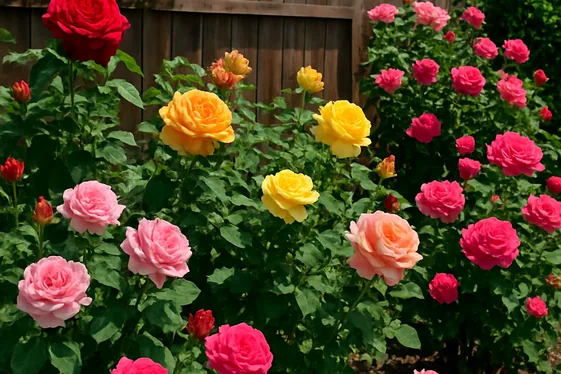
Creating a rose garden in your backyard can instantly transform your outdoor space into a vibrant, fragrant sanctuary. Roses have long been admired for their timeless beauty and variety of colors, and with the right garden design, they can become the crown jewel of your home landscape.
Whether you’ve got just a small patch or an expansive yard, cultivating roses is incredibly rewarding and offers so many creative possibilities.
Today, we’ll explore 17 rose garden ideas that will inspire you to freshen up your backyard with lush blooms and charming arrangements. From classic beds to modern twists, these tips are tailored to suit different skill levels and preferences across the USA, keeping the unique climate and growing conditions in mind.
Get ready to dig in, plant smart, and enjoy a happy, blooming backyard all season long!
1. Choose the Best Rose Varieties for Your Climate Zone
Selecting roses that thrive in your USDA hardiness zone is fundamental to success. Different rose types suit different climate conditions—some prefer hot, dry summers, while others flourish in cooler, humid environments. Knowing whether you are in zone 5 or zone 9, for example, helps narrow down choices to varieties that resist local pests and bloom reliably. Look for types like Knock Out roses if you want low-maintenance, disease-resistant plants in sunnier parts of the country.
For colder zones, species like Rugosa roses tolerate frost well and produce fragrant flowers. Also, consider bloom size and season length. Hybrid teas often have large, showy blooms but may need more care. Floribundas offer clusters of smaller flowers, providing continuous color. Climbing roses invite vertical growing options but require sturdy support.
I’ve found that combining knowledge of your zone with personal style preferences sets you up for a flourishing rose garden over many seasons. This keeps the idea practical, clear, and easy for readers to use right away. It also adds a little more helpful detail without making the writing sound stiff.
2. Create a Classic Rose Bed with Layered Planting
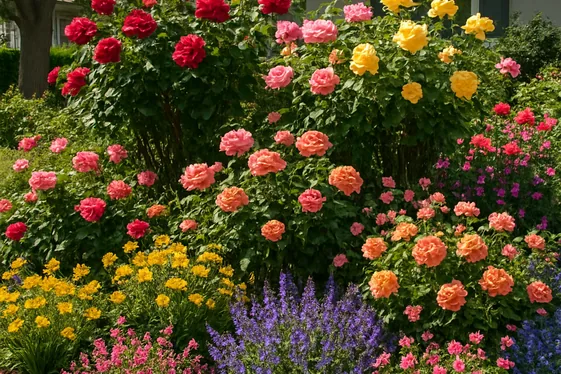
- Start by choosing a sunny spot with at least 6 hours of direct sunlight daily.
- Position taller rose varieties at the back of your bed for a tiered look that prevents shading.
- Layer shorter rose bushes or groundcover in front to create depth and reduce bare soil.
- Add a 12 to 18-inch border of flowering annuals or herbs to complement and enrich the palette.
- Ensure your soil is rich and well-drained, amending it with compost before planting.
In my experience, layered planting not only looks visually stunning but also helps create a microclimate that protects delicate roses from harsh winds. Using diverse heights and colors in your rose bed invites beneficial pollinators and keeps weeds at bay. This arrangement works best in medium to large garden spaces and adds character to your landscape without overwhelming it.
This keeps the idea practical, clear, and easy for readers to use right away. It also adds a little more helpful detail without making the writing sound stiff.
3. Mix Roses with Companion Plants for Natural Pest Control
Quick Tip:
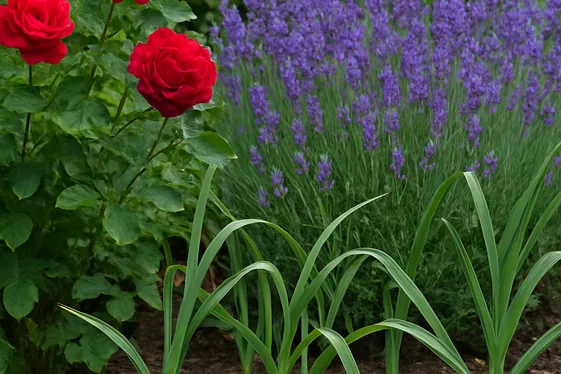
Plant marigolds, lavender, and garlic near roses to naturally repel aphids and other pests. These companions not only keep your roses healthier but also attract beneficial insects like ladybugs and bees.
Combining roses with specific herbs and flowers reduces the need for chemical pesticides. Lavender’s scent confuses harmful bugs, while marigolds deter nematodes in the soil. Garlic planted between rose bushes offers a natural barrier against fungal diseases. These plants usually require similar watering and sunlight, making them easy to grow alongside roses.
Creating this natural support system encourages a balanced, thriving garden that looks as good as it performs. This keeps the idea practical, clear, and easy for readers to use right away. It also adds a little more helpful detail without making the writing sound stiff.
4. Install a Trellis for Stunning Climbing Roses
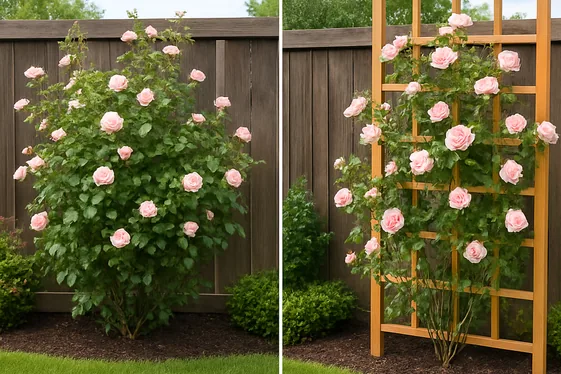
Before: Many gardeners struggle with climbing roses sprawling uncontrollably, making the yard look wild and unmanaged. Without proper support, the canes break easily, and blooms get lost in tangled growth. Maintenance becomes a chore, and the visual impact suffers greatly.
After: Attaching a sturdy trellis allows climbing roses to grow vertically in a controlled, elegant fashion. The blossoms cascade beautifully, creating a natural wall or archway. This setup enhances curb appeal and maximizes vertical space, making even smaller yards feel lush and colorful.
Adding trellises turns climbing roses into a striking garden centerpiece. Make sure your structure is securely anchored and positioned in a sunny spot. I’ve seen this work well in many cases to save space while boosting the rose garden’s charm.
This keeps the idea practical, clear, and easy for readers to use right away. It also adds a little more helpful detail without making the writing sound stiff.
5. Design a Circular Rose Garden as a Focal Point
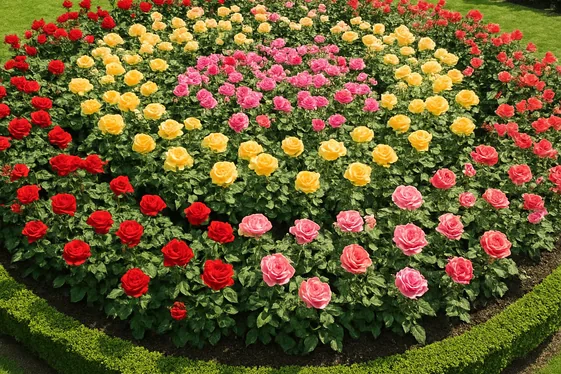
- Pick a flat, open area in your backyard that catches sunlight for most of the day.
- Measure out the desired diameter for your circle — 8 to 12 feet works well for home gardens.
- Mark the area with string or spray paint, then till the soil to loosen it.
- Plant taller roses in the center and smaller varieties in a ring around them, following the circular shape.
- Mulch and water consistently to help establish the new garden bed.
Incorporating a circular rose garden creates a natural focal point that draws attention and invites guests to linger. This layout allows easy access all around for pruning and care. I’ve noticed people tend to feel more relaxed when surrounded by symmetrical beauty and soft floral scents, making this ideal for social or quiet spaces.
This keeps the idea practical, clear, and easy for readers to use right away. It also adds a little more helpful detail without making the writing sound stiff.
6. Incorporate Raised Beds for Better Soil and Drainage
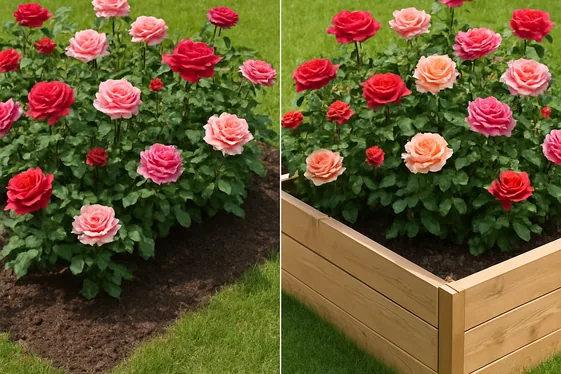
| Point | Traditional In-Ground Bed | Raised Bed with Rosess |
|---|---|---|
| Soil Quality | Depends on existing soil | Custom soil mix for optimal growth |
| Drainage | Can retain water, risking root rot | Excellent drainage prevents waterlogging |
| Maintenance | More weeding and harder to amend soil | Easier to manage and amend soil regularly |
| Pest Control | Higher exposure to soil pests | Raised height reduces some pests |
| Accessibility | Bending required for gardening | Easier on knees and back |
Raised beds give you full control over your soil condition, crucial for healthy roses. The improved drainage helps avoid root diseases that plague in-ground plants in clay-heavy regions. Plus, gardening tasks become simpler, especially if bending is challenging. Anyone wanting tidy, manageable rose beds should consider raised beds as a smart investment.
This keeps the idea practical, clear, and easy for readers to use right away. It also adds a little more helpful detail without making the writing sound stiff.
7. Do and Don’t: Pruning Tips to Keep Roses Healthy
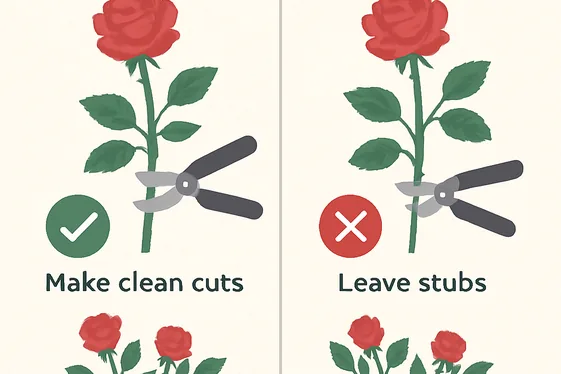
Do:
- Prune in early spring when buds just begin to swell to encourage fresh growth.
- Use clean, sharp tools to make precise cuts and avoid damaging stems.
- Remove any dead, diseased, or crossing branches to improve air circulation.
- Cut back to an outward-facing bud to shape the plant and promote outward growth.
Don’t:
- Avoid heavy pruning late in the growing season, which can harm new shoots.
- Don’t leave fallen leaves or clippings around the base, as they can harbor pests.
- Never tear branches—always cut cleanly to minimize damage.
- Don’t prune excessively, which stresses the plant and reduces blooms.
Regular, proper pruning supports strong, healthy roses and beautiful blooms. I’ve noticed gardeners often overdo it at first. Stick to what your rose variety needs for best results. This keeps the idea practical, clear, and easy for readers to use right away. It also adds a little more helpful detail without making the writing sound stiff.
8. Key Quick Facts Every Rose Gardener Should Know
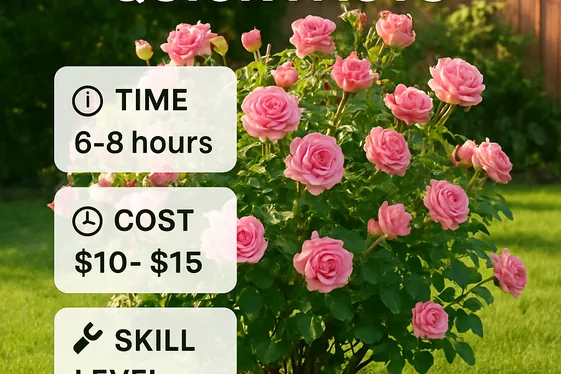
Cost: Moderate initial investment
Time: Requires weekly care during growing season
Skill Level: Beginner to Intermediate
Best For: Sunlit backyard spots
Roses demand consistent care but reward you with stunning, fragrant blooms all season. Proper watering, feeding, and pruning keep diseases away and flowering abundant. I’ve seen this work well in many cases when gardeners follow a routine. Starting small and learning as you go can prevent overwhelm and build confidence over time.
This keeps the idea practical, clear, and easy for readers to use right away. It also adds a little more helpful detail without making the writing sound stiff.
9. Add Pathways to Enhance Rose Bed Accessibility
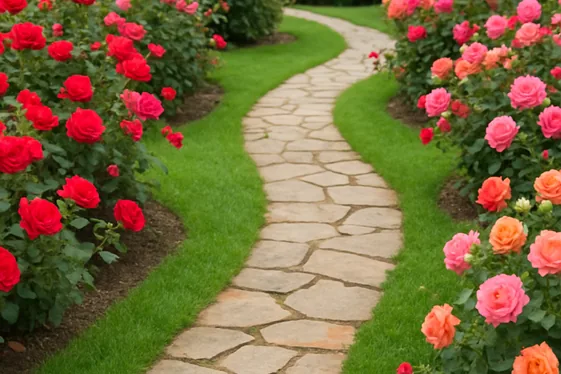
Incorporating pathways into your rose garden layout can make maintenance much easier. Narrow stone or gravel paths winding through the beds let you reach every plant without stepping on the roots or damaging surrounding soil. Paths also add texture and structure, giving the garden a more polished appearance.
Plan paths at least 18 to 24 inches wide for comfortable walking. Use materials like natural flagstones, crushed granite, or compacted decomposed granite that offer good drainage and won’t get slippery when wet. I like to add stepping stones combined with low groundcover for a charming but functional look.
Proper access means healthier roses and a more enjoyable gardening experience overall. This keeps the idea practical, clear, and easy for readers to use right away. It also adds a little more helpful detail without making the writing sound stiff.
10. Use Mulch to Retain Moisture and Suppress Weeds
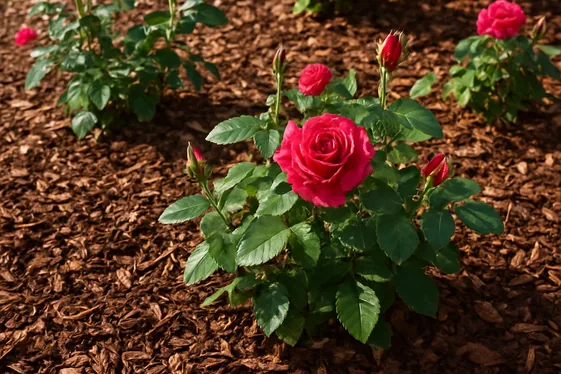
- Apply a 2 to 3-inch layer of organic mulch such as shredded bark, straw, or pine needles around your rose bushes.
- Keep mulch a few inches away from stems to prevent rot and pests.
- Mulch helps the soil retain moisture during hot summer months, reducing how often you water.
- It also blocks sunlight from reaching weed seeds, lowering weed growth in the beds.
- Replenish mulch every spring and fall to maintain its protective benefits.
Mulching is an easy way to promote healthy soil structure and clean, weed-free flower beds. I’ve noticed that well-mulched roses bloom stronger because they receive constant moisture without soggy roots. Proper mulch makes your garden upkeep much less stressful.
This keeps the idea practical, clear, and easy for readers to use right away. It also adds a little more helpful detail without making the writing sound stiff.
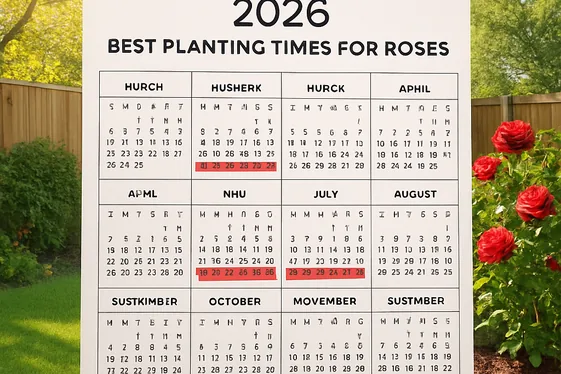
11. Quick Tip: Best Times to Plant Roses in
Quick Tip:
For most parts of the USA, early spring (March to April) offers ideal planting conditions as the soil warms but before intense heat arrives. In warmer southern states, fall planting (September to October) is also effective because roots establish ahead of winter.
Planting when the weather is mild reduces transplant shock and encourages deep root growth. If you miss these windows, prepare to give new plants extra water and shade until they settle in. Timing your rose planting properly avoids common setbacks and sets you up for a bountiful bloom season.
This keeps the idea practical, clear, and easy for readers to use right away. It also adds a little more helpful detail without making the writing sound stiff.
12. Before and After: Transforming a Neglected Rose Area
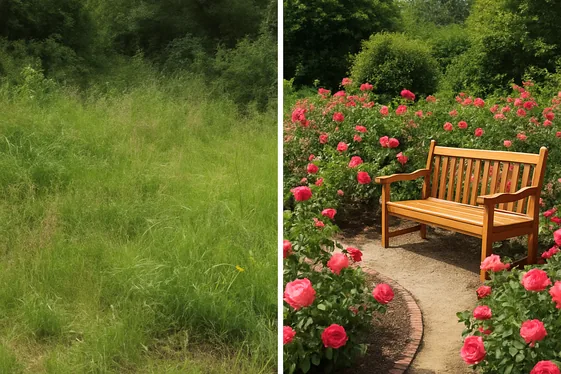
Before: An unused corner of the backyard covered in weeds and patchy grass, with struggling, overgrown rose bushes choked by invasive plants. The space felt neglected and detracted from the home’s appeal.
After: After clearing weeds, pruning roses back to healthy canes, and enriching the soil with compost, the area bloomed into a vibrant, colorful rose garden with well-defined beds. Adding a small bench nearby created a peaceful rest spot, turning this once-forgotten space into a cherished backyard retreat.
That’s why many experts recommend investing time in cleanup and soil care before planting. I’ve seen this work well in many cases where initial effort made a big difference in rose health and garden aesthetics.
This keeps the idea practical, clear, and easy for readers to use right away. It also adds a little more helpful detail without making the writing sound stiff.
13. Steps to Build a DIY Rose Arbor in Your Backyard
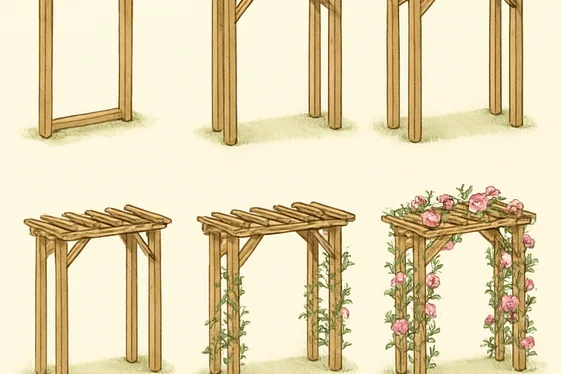
- Choose a sturdy design using materials such as cedar or treated lumber for durability outdoors.
- Measure the space and determine the arbor size; typically 6 to 8 feet wide and 7 feet tall allows easy passage and good growth room.
- Assemble the frame according to plans, ensuring the structure is level and secure with cemented posts in the ground.
- Plant climbing rose bushes at the base of each side, ensuring they get 6+ hours of sunlight.
- Train rose canes onto the structure using garden ties, guiding growth upward and outward for coverage.
A DIY arbor adds a magical vertical element to your rose garden. I’ve noticed that training climbers early yields denser blooms and better coverage within the first growing season. This project works best for gardeners comfortable with basic carpentry and looking to boost their backyard charm.
This keeps the idea practical, clear, and easy for readers to use right away. It also adds a little more helpful detail without making the writing sound stiff.
14. Comparison of Organic vs. Synthetic Fertilizers for Roses
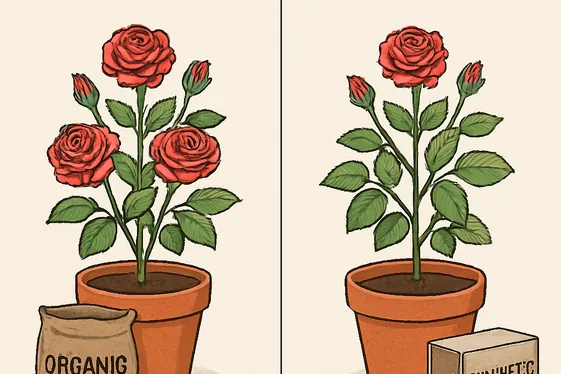
| Point | Organic Fertilizers | Synthetic Fertilizers |
|---|---|---|
| Nutrient Release | Slow, steady over time | Rapid, immediate nutrient boost |
| Soil Health | Improves soil structure | Can deteriorate soil health long-term |
| Environmental Impact | Eco-friendly, biodegradable | May contribute to runoff pollution |
| Application Frequency | Less often (every 6-8 weeks) | More frequent (every 2-4 weeks) |
| Cost | Generally higher initial | Often lower upfront cost |
Organic fertilizers support long-term garden health by feeding microbes essential to rose growth. However, synthetic options deliver quick nutrients for rapid recovery. That balance helps when you need to boost roses fast after pruning or pest damage versus building soil health over time.
This keeps the idea practical, clear, and easy for readers to use right away. It also adds a little more helpful detail without making the writing sound stiff.
15. Rose Gardening Do’s and Don’ts for Beginners
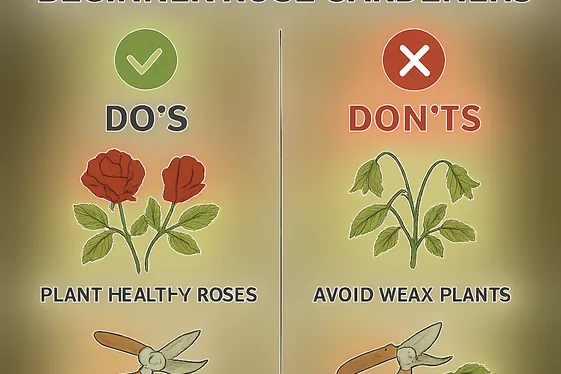
Do:
- Plant roses in sunny locations receiving at least 6 hours of direct sun daily.
- Water deeply once or twice a week depending on weather, avoiding wetting leaves to minimize fungus risks.
- Clean and sterilize pruning tools between cuts to prevent spreading disease.
- Select disease-resistant varieties suited for your region to reduce maintenance.
- Monitor roses weekly to catch and treat pests early.
Don’t:
- Don’t crowd roses—give each bush plenty of space to improve air circulation.
- Avoid planting roses in poorly drained, heavy clay soil without amendment.
- Don’t overfertilize; excessive nitrogen can reduce blooms and increase disease susceptibility.
- Never ignore signs of pests or disease, as problems spread fast.
- Avoid planting roses under large trees competing for nutrients and water.
In my experience, beginners thrive when they keep care simple and consistent. Starting with tough varieties and following these do’s and don’ts greatly reduces frustration during the first bloom season. This keeps the idea practical, clear, and easy for readers to use right away. It also adds a little more helpful detail without making the writing sound stiff.
16. Quick Facts About Watering Roses Efficiently
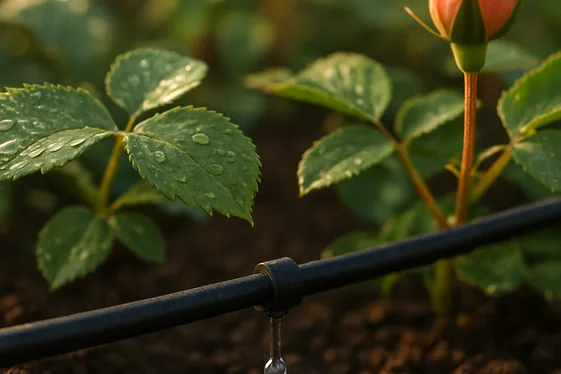
Watering Frequency: 1-2 times per week
Best Time: Early morning to reduce evaporation and fungal risk
Technique: Deep soak at soil level, avoiding wetting leaves
Result: Healthy roots and fewer diseases
Roses hate soggy feet but need regular watering to build deep roots. Landscape fabric or drip irrigation can help deliver water precisely where it’s needed. I’ve noticed the healthiest roses thrive with consistent moisture but never standing water, so paying attention to soil drainage makes all the difference.
This keeps the idea practical, clear, and easy for readers to use right away. It also adds a little more helpful detail without making the writing sound stiff.
17. Make a Charming Rose Container Garden for Small Spaces
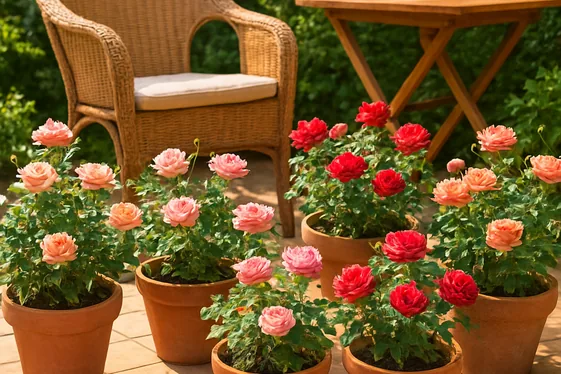
Even the smallest patios can become rose havens with container gardening. Choose large pots at least 18 inches deep to accommodate root growth. Use high-quality potting mix spiked with compost and ensure containers have drainage holes to prevent waterlogging. Position your container in a sunny spot that receives 6 or more hours of sunlight daily.
Compact rose varieties or miniatures work best for limited space. Regular feeding every 4 to 6 weeks through the season supports blooms. Be mindful of watering as container soil dries out faster, especially in summer heat. I find that raised containers on wheels make moving roses indoors or to shaded areas simple when needed, extending their life and bloom time.
This keeps the idea practical, clear, and easy for readers to use right away. It also adds a little more helpful detail without making the writing sound stiff.
Conclusion
With so many ways to design and care for your rose garden, you have the perfect chance to create a blooming backyard that suits your lifestyle and space. From selecting varieties adapted to your climate to mastering pruning, mulching, and watering tips, each idea helps you unlock your garden’s full potential.
Whether you want a grand focal point like a circular rose bed, the charm of climbing roses on an arbor, or simply a few pots of fragrant blooms, there’s something here to fit your needs.
Keep your garden routine consistent, pay attention to your roses’ unique requirements, and enjoy watching your colorful oasis flourish. Don’t hesitate to mix and match ideas to build your ideal rose paradise through 2026 and beyond.