15 Trendy Kids Bedroom Ideas Parents Are Saving Guide
Learn about 15 Trendy Kids Bedroom Ideas Parents Are Saving with a practical guide for Homeowners in USA.
Creating a cozy, stylish, and functional bedroom for your kids can often be a challenge, especially when you want it to grow with them and inspire their creativity. Luckily, the trendiest kids’ bedroom ideas for 2026 are all about mixing fun with smart design to make the most of every inch of space.
Whether you’re working with a tiny room or a spacious one, there’s something that will click with your family style.
From clever storage hacks to playful themes and calming color palettes, parents across the USA are saving these innovative looks to transform their children’s sanctuaries into dream spaces. This guide dives into 15 standout kids’ bedroom ideas parents are loving now—each designed to boost comfort, learning, and a touch of magic.
It’s time to get inspired, save these ideas, and create a bedroom that makes your little ones smile every single day.
1. Maximize Small Spaces with Multifunctional Furniture
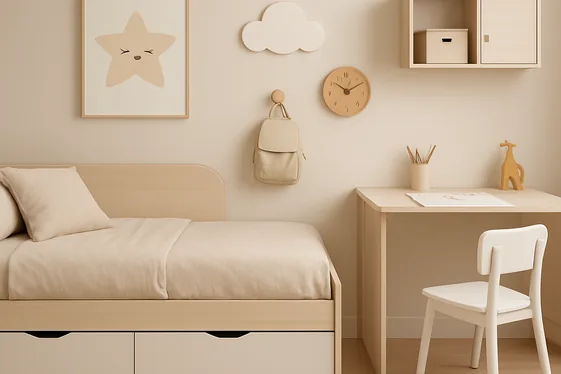
Maximizing a small kids’ bedroom means fitting all the essentials without it feeling cramped or cluttered. Multifunctional furniture pieces serve double or even triple duty—think beds with built-in drawers, desks that fold away, or seating that doubles as storage. These solutions help keep toys, books, and clothes tucked out of sight but easily reachable. It’s especially useful for busy families balancing playtime and homework in tight quarters.
Selecting furniture in light colors or with slim, modern profiles can also open up the room visually, making it feel larger. In my experience, investing in pieces that can grow with your child, such as beds that convert into toddler or twin sizes, saves money and hassle later on. Place the tallest storage against a wall to draw eyes upward and enhance the sense of space.
The payoff is a room that feels airy and functional—everything a thriving kids’ space should be. This keeps the idea practical, clear, and easy for readers to use right away. It also adds a little more helpful detail without making the writing sound stiff.
2. Playful Wall Murals That Spark Imagination
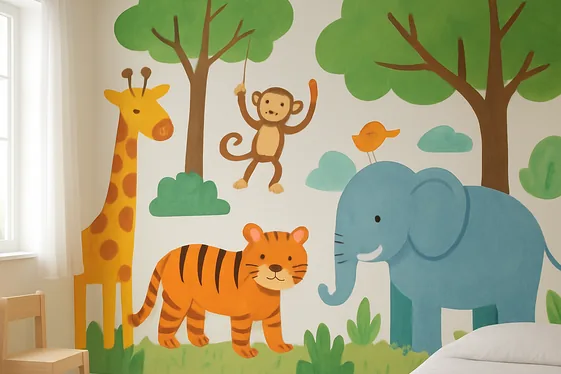
- A large-scale mural can create an immersive environment for your child’s imagination to run wild. Choose themes like jungle adventures or outer space travels.
- Wall decals are a budget-friendly option if you want to change themes often without commitment.
- DIY murals let you personalize the space with your child’s favorite characters or interests.
- Use washable, non-toxic paint to ensure safety and easy cleaning.
- Include your child in choosing colors and designs to make the room feel truly theirs.
Quick Tip:
Incorporate a mural on only one wall for a bold but not overwhelming effect.
I’ve noticed that murals make a huge difference in how kids connect with their room. They turn a blank space into a storytelling canvas, often encouraging role-play and creative thinking. Whether painted on or applied as decals, these designs become conversation starters and sources of comfort while supporting learning through imaginative play.
Choose bright but harmonious shades to keep the energy balanced. This keeps the idea practical, clear, and easy for readers to use right away. It also adds a little more helpful detail without making the writing sound stiff.
3. Creative Storage Solutions to Declutter Easily
Quick Tip:
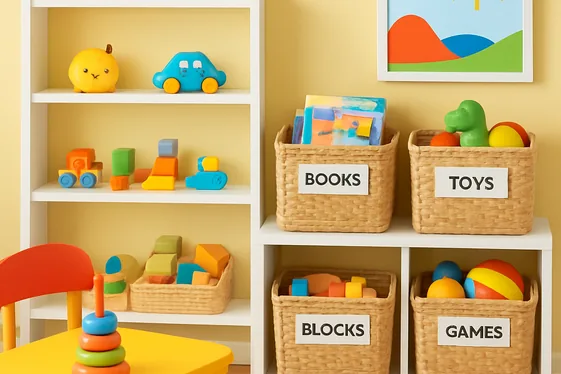
Use labeled bins and baskets at children’s eye level to teach easy tidying habits.
Clutter can quickly overwhelm a kid’s room, making it stressful for both kids and parents. Creative storage ideas like modular shelves, hanging baskets, or stackable crates help kids keep toys and books organized. Consider installing wall-mounted shelves above the desk or bed to free up floor space while showing off cherished items.
I’ve seen this work well in many cases for encouraging kids to put items away independently when storage is accessible and fun. Clear containers or color-coded bins also help kids identify where things go, speeding clean-up time. Keeping storage flexible, such as using cubes with removable bins, adapts as interests and needs change.
Small touches like labels with pictures or words make organization intuitive and support developing independence. This keeps the idea practical, clear, and easy for readers to use right away. It also adds a little more helpful detail without making the writing sound stiff.
4. Transform Bedrooms with Themed Bedding Sets
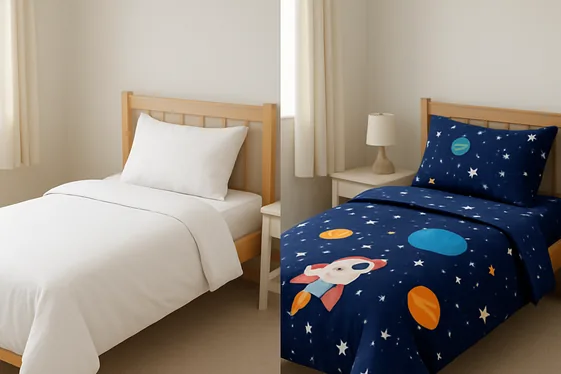
Before: Plain or mismatched bedding often leaves kids’ bedrooms looking dull and disconnected from their personalities. Beds can feel like just a place to sleep without adding to the room’s charm.
After: Themed bedding featuring favorite animals, superheroes, or space motifs instantly transforms the bed into a focal point and a source of joy. Coordinating pillowcases, throws, and fitted sheets complete the look, making bedtime exciting.
Themed bedding sets bring energy and character to any child’s room. It’s a simple switch that can change the whole vibe without heavy decor changes. This transformation can also create a feeling of ownership and nostalgia, especially when the theme reflects your child’s current passions, giving them a personalized retreat that’s comforting and fun.
This keeps the idea practical, clear, and easy for readers to use right away. It also adds a little more helpful detail without making the writing sound stiff.
5. Incorporate Nature with Indoor Plant Corners
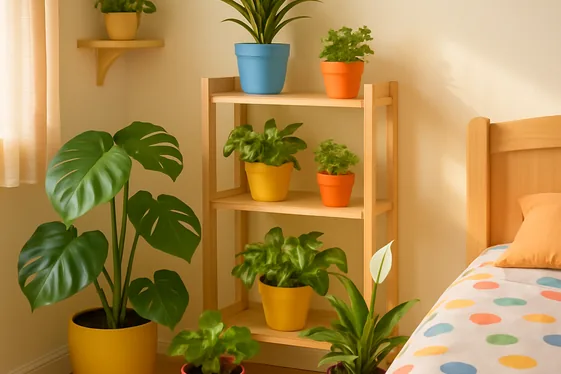
- Choose child-safe plants like spider plants, pothos, or succulents that are easy to care for indoors.
- Select colorful or decorative pots to add style and brighten the room.
- Dedicate a small corner or shelf for your indoor garden to keep it contained and visible.
- Teach kids basic plant care routines to encourage responsibility and connection to nature.
- Rotate plants occasionally to keep growth even and maintain interest.
Plants add fresh energy and cleaner air, enhancing overall well-being and calmness in the bedroom. The green hues are soothing, and caring for plants can help children develop nurturing skills. By creating a little indoor garden spot, the bedroom becomes more lively and inviting. Plus, this natural touch works especially well in urban homes where access to outdoor greenery is limited.
This keeps the idea practical, clear, and easy for readers to use right away. It also adds a little more helpful detail without making the writing sound stiff.
6. Use Color Psychology for a Calming Sleep Environment
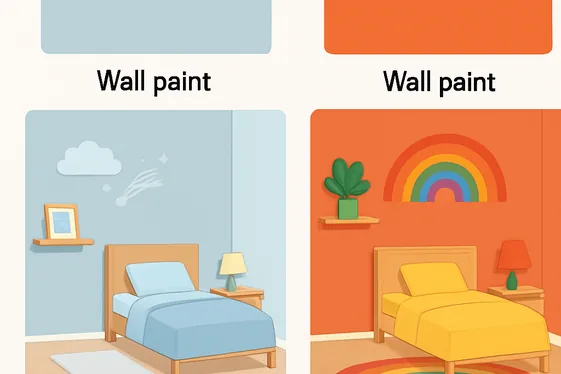
| Point | Vibrant Colors | Calming Colors |
|---|---|---|
| Energy Level | High and stimulating | Low and soothing |
| Best Time Usage | Playtime and activities | Reading and bedtime |
| Popular Choices | Red, orange, bright yellow | Soft blues, greens, lavender |
| Effect on Mood | Excitement and creativity boost | Relaxation and better sleep |
| Room Size Perception | Can make spaces feel smaller | Creates an illusion of space |
That’s why many experts recommend choosing calming shades like pastel blues or subtle greens for kids’ bedrooms. These colors help reduce anxiety and promote deeper, more restful sleep cycles. Keeping bright hues to accents instead of dominant walls ensures balance—keeping the room lively yet relaxing.
Use color psychology to shape your child’s daily rhythm through color in the room design. This keeps the idea practical, clear, and easy for readers to use right away. It also adds a little more helpful detail without making the writing sound stiff.
7. Personalized Decor to Boost Confidence
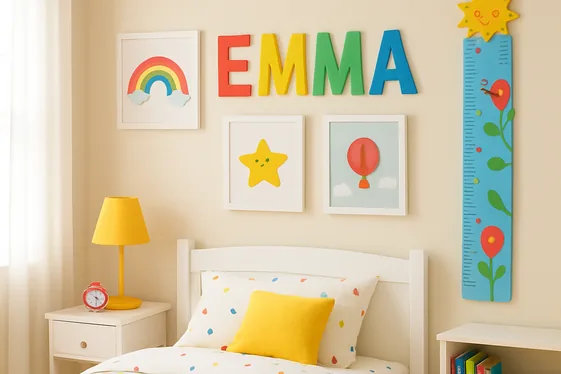
Do:
- Include framed family photos or artwork your child has made to boost a sense of ownership.
- Use a name wall decal or custom pillows with their initials for a personal touch.
- Add a growth chart tailored to their interests to celebrate milestones visibly.
- Feature favorite colors and themes throughout furniture and textiles.
- Integrate interactive elements like corkboards or art displays they can update.
Don’t:
- Overload the room with generic, impersonal designs that lack meaning.
- Ignore your child’s preferences when picking decor elements.
- Choose accessories that don’t grow with your child or become outdated quickly.
- Use decor that overwhelms the room visually or clutters surfaces.
- Forget to blend personalization with practical storage and organization.
When kids see their personality reflected in their space, they feel valued and confident. Custom details create emotional bonds to their room, transforming it from just a bedroom to a personal sanctuary. This keeps the idea practical, clear, and easy for readers to use right away. It also adds a little more helpful detail without making the writing sound stiff.
8. Under-Bed Storage Drawers for Extra Space
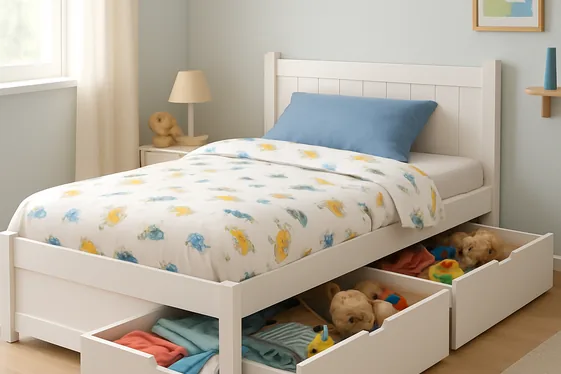
Cost: Moderate investment
Time: A few hours for installation
Skill Level: Intermediate DIY
Best For: Small to medium bedrooms with limited closet space
Result: Maximizes unused space with tidy storage
Under-bed storage drawers work wonders for organizing shoes, seasonal clothes, or extra bedding. These drawers slide smoothly out from beneath the bed frame, keeping clutter off the floor but within easy reach. This solution is especially valuable in rooms where every square foot counts. Their design fits most standard bed heights, and they come in wood, plastic, or fabric models.
In addition to decluttering, kids love being able to quickly find their belongings without chaos. Enclosed drawers hide messes and protect items from dust, helping keep the bedroom neat and inviting. This keeps the idea practical, clear, and easy for readers to use right away. It also adds a little more helpful detail without making the writing sound stiff.
9. Flexible Lighting for Mood and Function
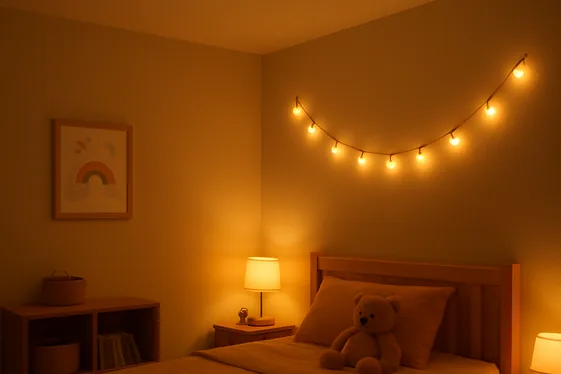
Proper lighting in a kid’s bedroom is more than just a fixture on the ceiling. Layering light sources—like bedside lamps, string lights, and adjustable overhead lighting—creates versatile ambiance for play, study, and relaxation. Lights with dimmers let you control brightness depending on the activity or time of day. In my experience, kids respond well to soft, warm lights at bedtime to ease the transition to sleep, while brighter task lighting boosts focus during homework.
Nightlights or fun-shaped lamps add both comfort and whimsy. Use lamps with adjustable necks near reading areas or desks to avoid eye strain. This flexibility means the space grows with your child’s daily rhythm, supporting diverse needs without complicated changes or expense.
Lighting isn’t just practical—it sets the mood. This keeps the idea practical, clear, and easy for readers to use right away. It also adds a little more helpful detail without making the writing sound stiff.
10. Cozy Reading Nooks to Encourage Quiet Time
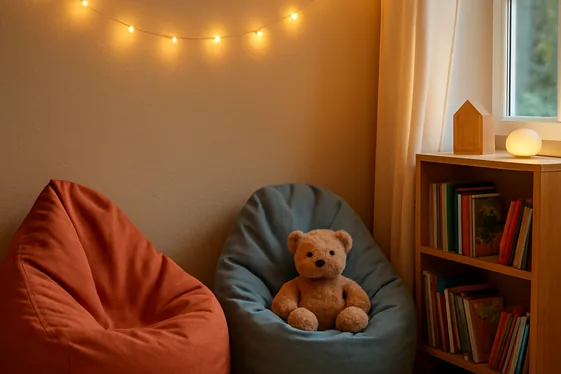
- Choose a corner or space near a window with natural light for your reading nook.
- Add soft cushions, bean bags, or a small upholstered chair for comfortable seating.
- Include book shelves or baskets nearby to hold favorite books within easy reach.
- Use fairy lights or a small lamp to provide gentle, inviting lighting after dark.
- Personalize with themed blankets, pillows, or wall decals to make it special.
Quick Tip:
Keep the area cozy but clutter-free to make the nook inviting and easy to maintain.
Crafting a reading nook encourages kids to disconnect from screens and enjoy quiet time independently. It becomes a safe, personal space they look forward to retreating to. This dedicated reading corner also improves literacy by creating positive associations with books and stories. Parents report more peace and a quieter room when kids have their own cozy spot to curl up.
This keeps the idea practical, clear, and easy for readers to use right away. It also adds a little more helpful detail without making the writing sound stiff.
11. Mix Patterns and Textures for Visual Interest
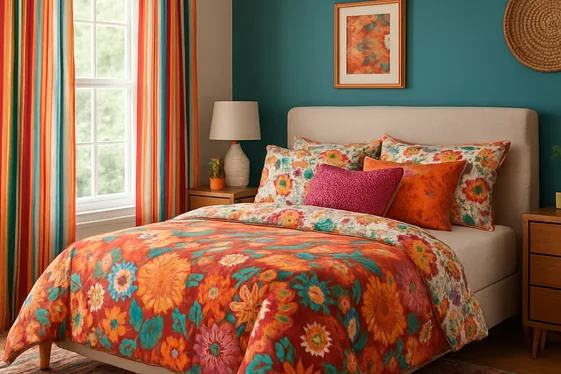
Quick Tip:
Balance bold patterns with solid colors to prevent the room from feeling overwhelming.
Mixing prints and fabrics creates depth and personality in a kid’s bedroom. Think geometric rugs blended with floral pillows or striped curtains paired with textured throws. Combining velvet, cotton, and wool adds tactile variety that invites touch and exploration. When done well, layering patterns and textures stimulates creativity and keeps the room visually captivating.
However, introducing too many competing patterns can lead to chaos. I’ve noticed that starting with a neutral base—like white walls or a simple bed frame—helps anchor vibrant patterned choices without clashing. Parents enjoy watching their kid’s room evolve as tastes change, swapping out a pillow here or a rug there to refresh the look without a costly overhaul.
This keeps the idea practical, clear, and easy for readers to use right away. It also adds a little more helpful detail without making the writing sound stiff.
12. Add Chalkboard Walls for Creativity and Learning
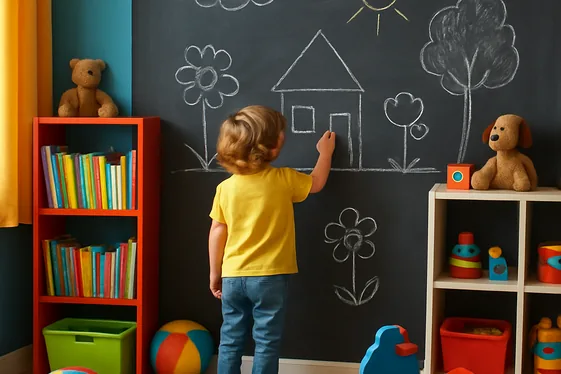
Before: Kids often feel limited by traditional white walls that lack interactive or educational benefits, leaving them with fewer outlets for creative expression.
After: Transforming one wall into a chalkboard surface allows your child to draw, write, and practice skills freely. It becomes a dynamic area for artwork, homework reminders, or storytelling.
Chalkboard walls instantly make the room more engaging and fun. They empower kids to personalize their space daily, boosting brain development and motor skills. Plus, chalk is easily wiped away to keep the wall fresh. Set chalkboard walls in study or play zones where kids spend the most time, and enjoy watching their imaginations run wild.
This keeps the idea practical, clear, and easy for readers to use right away. It also adds a little more helpful detail without making the writing sound stiff.
13. Create a Rotating Toy Display for Easy Access
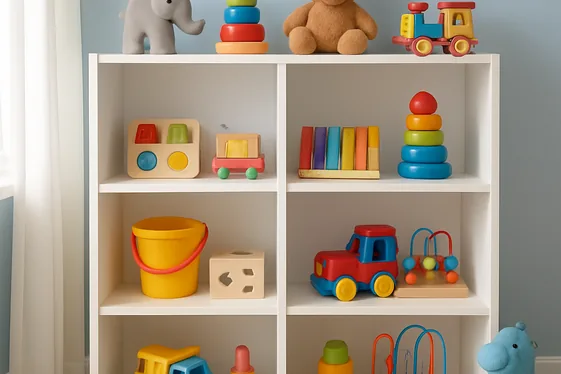
- Select an open shelving unit or stackable cubes to serve as the display area.
- Categorize toys by type, size, or theme for organized presentation.
- Rotate available toys every few weeks to keep interest fresh and clutter down.
- Store off-season or less-used toys out of sight to maintain neatness.
- Encourage your child to help choose which toys go on display to foster responsibility and excitement.
In my experience, rotating toys prevents overwhelm and keeps playtime exciting without constant buying. It simplifies cleanup as there are fewer items to scatter around, and the display itself can be part of the room decor. This system’s flexibility suits most families and budgets and supports mindful consumption habits.
This keeps the idea practical, clear, and easy for readers to use right away. It also adds a little more helpful detail without making the writing sound stiff.
14. Use Loft Beds to Free Up Floor Space
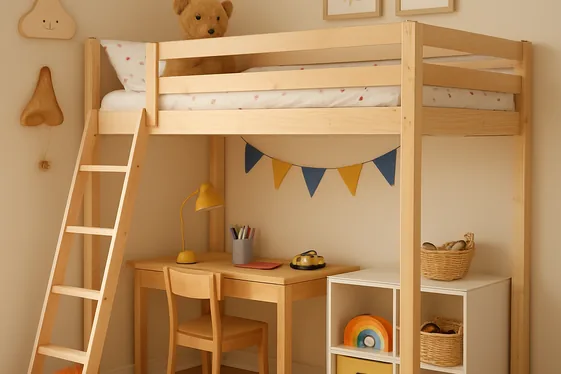
| Comparison Point | Regular Bed | Loft Bed |
|---|---|---|
| Floor Space Usage | Occupies full floor area | Frees up space underneath |
| Versatility | Fixed use as sleeping area | Option to build desk, play, or storage below |
| Setup Complexity | Simple, minimal installation | Requires careful assembly and safety checks |
| Suitable Room Size | Works well in spacious rooms | Ideal for small or shared bedrooms |
| Cost | Generally less expensive | Usually higher due to design and materials |
Loft beds offer a smart way to open up cramped rooms by elevating the sleeping area and creating usable space below. This extra room can accommodate a study desk, play zone, or storage, helping organize the bedroom for growing kids. Many parents find it transforms even a small room into a multi-functional haven, but safety railings and sturdy construction are essential.
This keeps the idea practical, clear, and easy for readers to use right away. It also adds a little more helpful detail without making the writing sound stiff.
15. Incorporate Tech-Friendly Study Zones
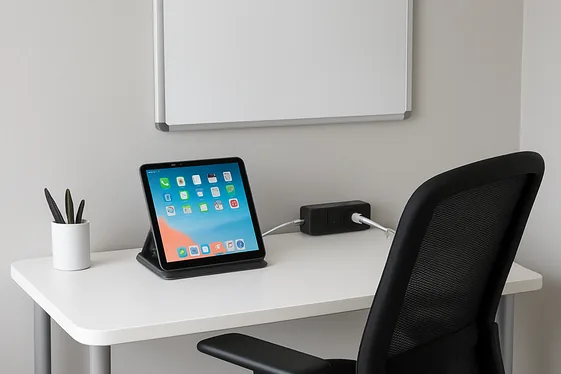
Do:
- Set up a dedicated desk with proper lighting and comfortable seating to encourage focus.
- Include easy-to-reach charging stations for tablets or laptops.
- Use cable organizers to keep wires neat and safe.
- Add a whiteboard or pinboard nearby for notes and reminders.
- Encourage breaks by positioning the study zone near a window for natural light.
Don’t:
- Overload the desk with unnecessary gadgets or clutter that distracts.
- Place the study area in a noisy or heavily trafficked part of the home.
- Forget ergonomic principles—desk and chair height matter for posture.
- Ignore your child’s input when designing the space.
- Neglect regular updates as technology needs evolve.
A thoughtful tech-friendly study zone supports homework and digital learning while teaching organization and time management skills. It’s a vital spot where kids develop accountability for their work and tech use. This keeps the idea practical, clear, and easy for readers to use right away. It also adds a little more helpful detail without making the writing sound stiff.
Conclusion
Creating a kids’ bedroom that balances style, comfort, and functionality doesn’t have to be overwhelming. From multifunctional furniture that adapts to growing needs, to playful murals and calming palettes, each idea in this guide offers practical solutions parents across the USA are choosing in 2026. Implementing clever storage, personalized touches, and creative elements like chalkboard walls can transform a simple room into a space that inspires creativity and nurtures independence.
Lighting layers and tech-friendly zones support focus and relaxation, while thoughtful design choices maximize every inch of available space. Remember, the best kids’ bedroom is one that fits your child’s personality and daily routine, providing a safe and joyful sanctuary.
Don’t hesitate to mix and match ideas or start small—every change adds up to a home your family will love for years. Now that you have these trendy ideas saved, it’s time to bring them to life.