16 Curved Furniture Ideas for a Softer Modern Look Guide
Learn about 16 Curved Furniture Ideas for a Softer Modern Look with a practical guide for Homeowners in USA.
Curved furniture is taking center stage in modern interior design, offering a fresh way to soften sharp edges and create inviting, cozy spaces. For homeowners across the USA who want to balance sleekness with comfort, incorporating rounded shapes offers an exciting design twist.
Curved pieces can make a room feel more organic and dynamic without losing that contemporary vibe. From living rooms to bedrooms and even your dining areas, this guide dives into 16 stylish curved furniture ideas designed to transform your home in 2026.
Whether you’re remodeling a small apartment or upgrading your family home, these ideas will help you achieve a modern look with a gentle touch. Expect practical advice, inspiring examples, and simple tips to add flow and softness to your favorite spaces.
Let’s explore how embracing curves can redefine your home’s style and comfort while staying on-trend and easy to live with.
1. Curved Sofas for Cozy, Stylish Lounging
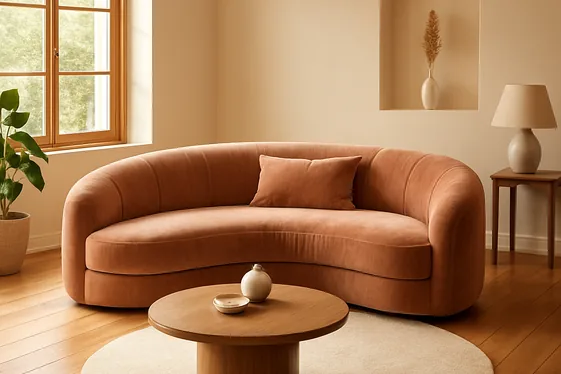
Curved sofas offer a perfect blend of comfort and modern aesthetics that create a welcoming vibe in any living area. Their gentle shapes break up the harsh lines typical of many contemporary rooms and invite conversation by naturally facing inward. Choosing the right curved sofa size and fabric is key; think velvety textures or soft leather for a plush touch, and tailor the curvature to fit your space without overpowering it.
Many homeowners find that curved sofas not only look great but also support social gatherings better than straight versions. The rounded design encourages closer seating arrangements, making movie nights or casual talks feel intimate and inclusive.
Consider placing your curved sofa in the center of the room or near a window to highlight its flowing form. This strategic placement harnesses natural light and turns your sofa into a design focal point. This keeps the idea practical, clear, and easy for readers to use right away.
It also adds a little more helpful detail without making the writing sound stiff. A simple, thoughtful explanation like this helps the whole article feel complete. That balance makes the advice feel more natural, more useful, and easier to follow.
2. Rounded Coffee Tables That Anchor Your Room
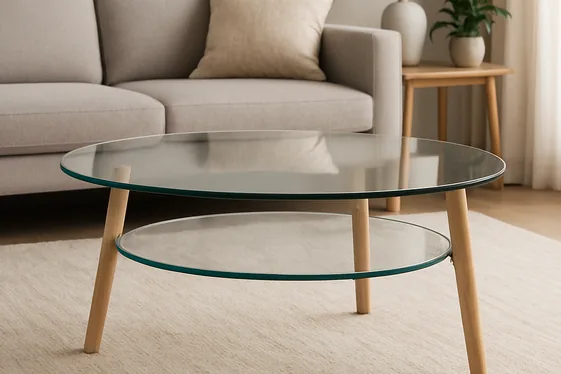
- Choose tables with smooth, rounded edges to complement your curved sofa or chairs.
- Materials like glass or light wood balance the softness of the shape and keep the room airy.
- Look for designs with lower profiles to enhance a cozy, modern feel.
- Round coffee tables are great for small spaces since they don’t snag on legs or flow paths.
- In my experience, tables with subtle curves add personality without overwhelming your existing décor.
Rounded coffee tables create a natural gathering spot, encouraging people to move around comfortably. They also offer a safe alternative if you have kids or pets due to the absence of sharp corners. Pair them with a curved sofa or accent chairs for a harmonious look that anchors your seating area while softening the overall vibe.
These tables prove the power of shape in setting tone and improving function. This keeps the idea practical, clear, and easy for readers to use right away.
It also adds a little more helpful detail without making the writing sound stiff. A simple, thoughtful explanation like this helps the whole article feel complete. That balance makes the advice feel more natural, more useful, and easier to follow.
3. Soft, Curvy Accent Chairs for Every Corner
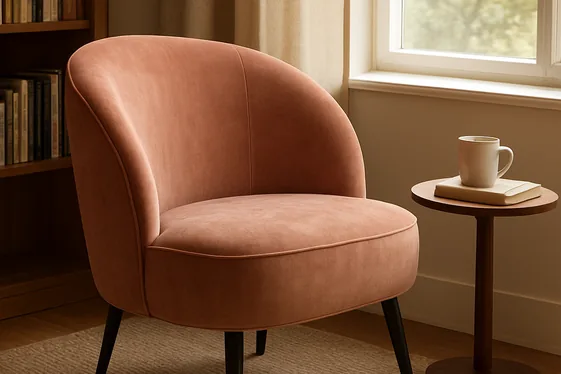
Quick Tip:
Look for accent chairs with smooth curves on both the backs and arms. Upholstered options in plush fabrics like velvet or boucle create softness visually and physically. A slight swivel function in these chairs adds utility without sacrificing style.
Soft curved accent chairs spice up any corner by adding rounded contours that contrast with traditional straight lines. They invite you to sit and linger, making your house feel more homey. Look for colors that either pop against your walls or blend seamlessly for a balanced accent. A good curved chair doesn’t just fill space—it elevates it by adding shape and character.
This keeps the idea practical, clear, and easy for readers to use right away. It also adds a little more helpful detail without making the writing sound stiff. A simple, thoughtful explanation like this helps the whole article feel complete. That balance makes the advice feel more natural, more useful, and easier to follow.
4. Sculptural Dining Chairs to Elevate Meals
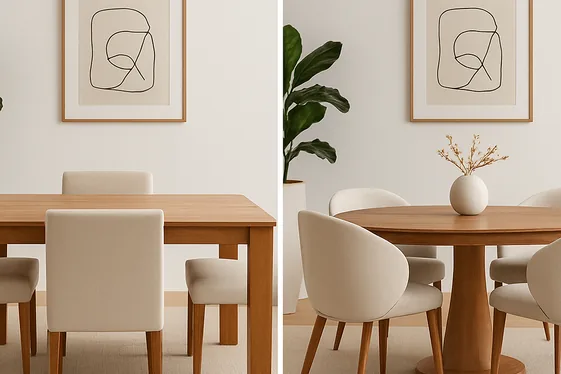
Before: Typical dining rooms often feel rigid with boxy chairs that match standard table shapes, leading to an uninspiring layout lacking warmth.
After: Sculptural dining chairs bring fluidity, turning the table area into an inviting, stylish gathering spot with sleek curves that contrast sharp table edges.
Curved dining chairs add a modern art-like vibe to meals, balancing functionality with sculptural beauty. Their soft lines invite diners to relax and enjoy longer conversations, making dinners more memorable. Opt for chairs that balance curved backs with sturdy legs to maintain comfort without compromising stability. This keeps the idea practical, clear, and easy for readers to use right away.
It also adds a little more helpful detail without making the writing sound stiff. A simple, thoughtful explanation like this helps the whole article feel complete. That balance makes the advice feel more natural, more useful, and easier to follow.
5. Oval Console Tables for Foyer Elegance
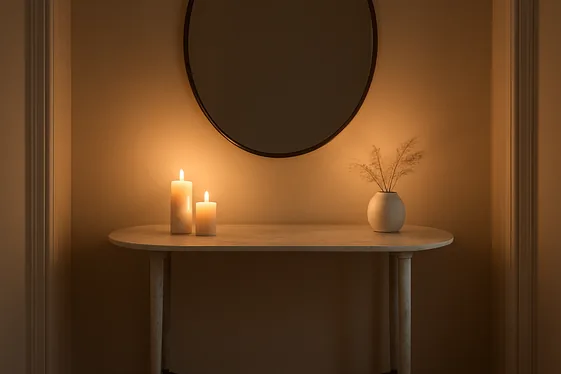
- Measure your foyer to find the ideal oval console size that doesn’t overcrowd the entry.
- Pick materials like marble or wood with gentle curves and sleek finishes.
- Place the console against the wall and add decorative accents like a round mirror above.
- Use soft lighting or candles to enhance the elegant curves.
- In my experience, choosing an oval table in narrow entries adds sophistication without blocking traffic flow.
Oval console tables soften sharp corridor lines and invite guests with approachable, elegant shapes. They work particularly well in foyers lacking width since they reduce visual clutter and give the space an effortless flow. All you need is a few curated accessories to tie the look together and set a welcoming mood. This keeps the idea practical, clear, and easy for readers to use right away.
It also adds a little more helpful detail without making the writing sound stiff. A simple, thoughtful explanation like this helps the whole article feel complete. That balance makes the advice feel more natural, more useful, and easier to follow.
6. Curved Sectionals That Maximize Space
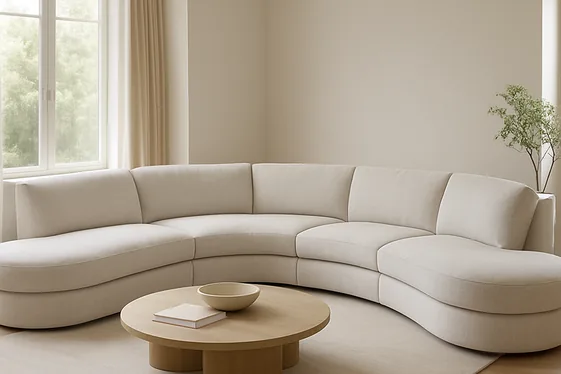
| Feature | Traditional Sectional | Curved Sectional |
|---|---|---|
| Seating Flow | Boxy, linear, and sometimes disconnected | Smooth, continuous, promotes conversation |
| Space Use | Can create awkward corners | Fits corners or open spaces gracefully |
| Comfort | Often rigid angles | Gentle support and curves for lounging |
| Style Impact | Standard, minimal visual interest | Eye-catching, modern centerpiece |
| Arrangement Flexibility | Limited shapes | Flexible for several layouts |
| Visual Appeal | Can look heavy | Feels light and airy |
In many room setups, curved sectionals offer a surprisingly flexible option that combines excellent seating with refined style. I’ve noticed they form natural conversation areas and help open up tight spaces. They’re worth considering when you want a social seating area with a modern twist. This keeps the idea practical, clear, and easy for readers to use right away.
It also adds a little more helpful detail without making the writing sound stiff. A simple, thoughtful explanation like this helps the whole article feel complete. That balance makes the advice feel more natural, more useful, and easier to follow.
7. Do’s and Don’ts of Mixing Curved and Angular Pieces
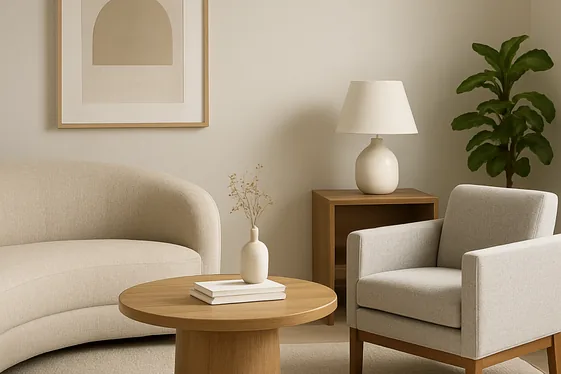
Do:
- Use curved furniture to soften spaces dominated by angular shapes like rectangular tables or straight sofas.
- Balance the visual weight by pairing small curved pieces with larger angular items.
- Choose complementary colors or materials to unify contrasting shapes.
- Experiment with placement to create fluid traffic flow around mixed shapes.
- Include organic textures to enhance the blend of curves and straights.
Don’t:
- Overload a room with too many curved pieces; it can feel chaotic.
- Match curves only with other curves without breaks—it risks looking too themed.
- Forget scale; small curved furniture next to oversized angular pieces may look unbalanced.
- Neglect lighting, which can highlight or hide the interplay of shapes.
- Stick rigidly to “rules”; mix thoughtfully but stay true to your style.
Knowledge of when and how to mix shapes can achieve a chic, interesting space rather than a confusing one. Too much of one shape type either way can feel dull or disjointed. This keeps the idea practical, clear, and easy for readers to use right away.
It also adds a little more helpful detail without making the writing sound stiff. A simple, thoughtful explanation like this helps the whole article feel complete. That balance makes the advice feel more natural, more useful, and easier to follow.
8. Quick Facts About Maintaining Curved Furniture
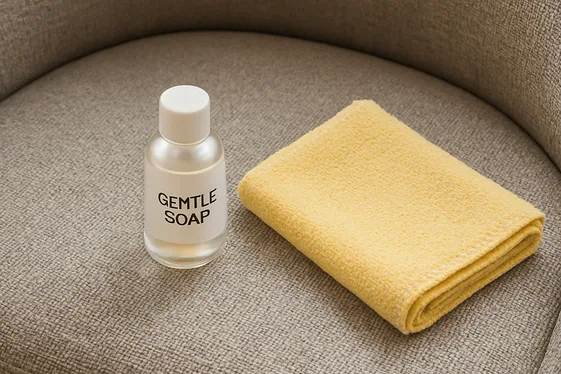
Cost: Moderate
Cleaning: Gentle cloth and mild soap
Skill Level: Basic home care
Best for: Regular upkeep
Material Notes: Fabric chairs require vacuuming; wood or metal curves may need polish
Trying to keep curved furniture looking fresh requires simple regular care but nothing complicated. I’ve seen this work well in many cases when people commit to light weekly cleaning and occasional checking for damage in joints or fabric wear. This helps maintain that luxury, cozy vibe curves bring for years. This keeps the idea practical, clear, and easy for readers to use right away.
It also adds a little more helpful detail without making the writing sound stiff. A simple, thoughtful explanation like this helps the whole article feel complete. That balance makes the advice feel more natural, more useful, and easier to follow.
9. Curvy Beds to Soften Your Sanctuary
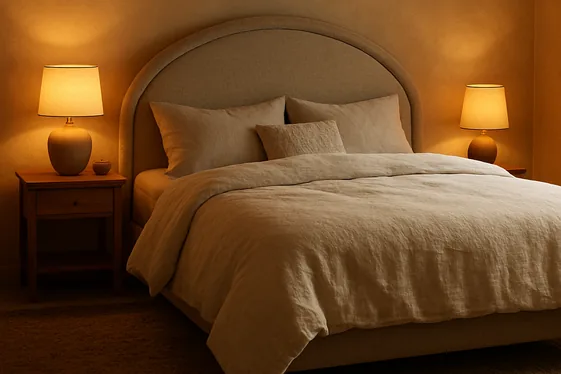
Curvy beds can transform a bedroom into a haven of comfort and style by replacing angular frames with flowing, rounded edges that feel soft to the eye and touch. Their shapes promote a calm atmosphere, perfect for winding down after a busy day. Positioning a bed with a curved headboard near soft lighting or plush rugs enhances the sanctuary effect.
These beds often make the room feel more inviting and spacious by breaking up predictable lines, making them a smart upgrade for bedrooms craving a modern, gentle look. This keeps the idea practical, clear, and easy for readers to use right away.
It also adds a little more helpful detail without making the writing sound stiff. A simple, thoughtful explanation like this helps the whole article feel complete. That balance makes the advice feel more natural, more useful, and easier to follow.
10. Curved Bookcases That Flow With Your Décor
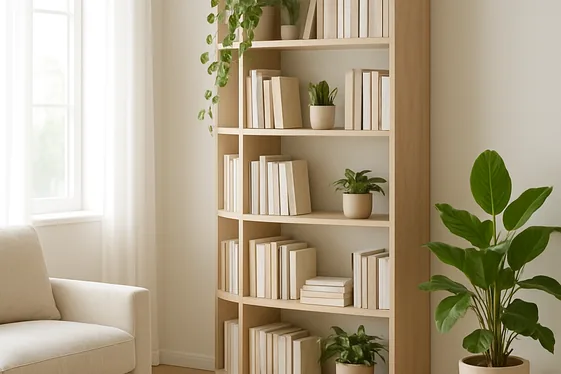
- Look for bookcases with arched tops or scalloped edges to introduce curves.
- Opt for open shelving to keep the design light and airy.
- Materials like light wood or matte metal work well to balance form and function.
- Curved bookcases can create natural nooks when placed in corners.
- I’ve noticed that curvy shelving adds visual rhythm that encourages tidier displays.
When a bookcase follows natural curves, it becomes less of a bulky storage piece and more an integral part of the room’s rhythm. Use it to soften an otherwise boxy study or living space while offering accessible storage. This keeps the idea practical, clear, and easy for readers to use right away.
It also adds a little more helpful detail without making the writing sound stiff. A simple, thoughtful explanation like this helps the whole article feel complete. That balance makes the advice feel more natural, more useful, and easier to follow.
11. Quick Tips for Choosing Curved Desks
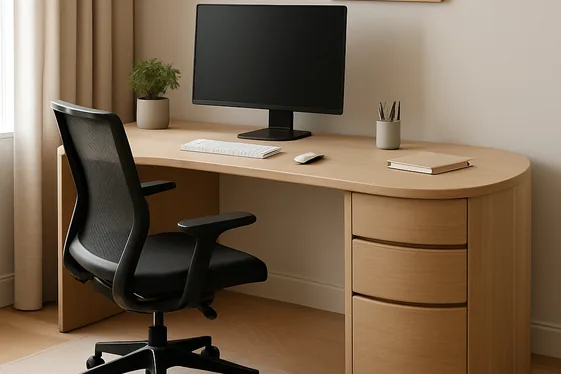
Quick Tip:
Select a desk with a curved front edge to reduce wrist strain for working or crafting. Aim for a style that integrates storage pockets or drawers smoothly into rounded shapes. Lighter materials with a glossy finish can add contemporary flair.
Curved desks bring ergonomic benefits and style to workspaces, softening typical angular office furniture. I’ve noticed these are great for home offices or creative zones where reducing sharp angles encourages a calm, welcoming environment. They blend function and flow beautifully. This keeps the idea practical, clear, and easy for readers to use right away.
It also adds a little more helpful detail without making the writing sound stiff. A simple, thoughtful explanation like this helps the whole article feel complete. That balance makes the advice feel more natural, more useful, and easier to follow.
12. Before and After: Adding Curved Sideboards
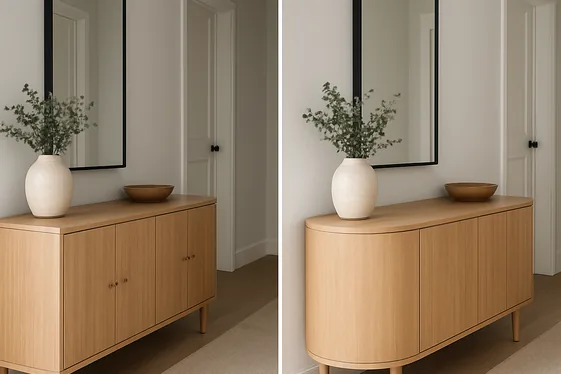
Before: Long, rectangular sideboards with sharp corners often dominate a wall, making spaces look stiff and boxed in.
After: Adding a sideboard with rounded edges and curved doors makes the storage more approachable and breaks up the room’s rigidity, introducing smoother movement.
Switching to a curved sideboard can instantly change a dining room or hallway by adding tactile interest and softening harsh lines without sacrificing storage. It feels like smoothing out the room’s flow, balancing utility and beauty. This keeps the idea practical, clear, and easy for readers to use right away.
It also adds a little more helpful detail without making the writing sound stiff. A simple, thoughtful explanation like this helps the whole article feel complete. That balance makes the advice feel more natural, more useful, and easier to follow.
13. Step-by-Step Guide to Finding the Perfect Curved Rug
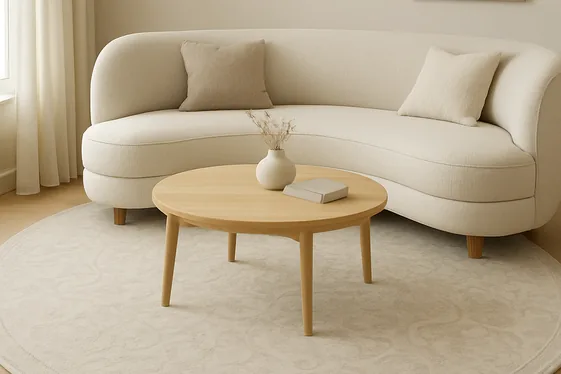
- Measure your room to determine ideal rug size, allowing enough space for furniture legs.
- Choose curved-edge rugs like ovals or circles to complement curved furniture shapes.
- Pick materials that suit your lifestyle: durable synthetics for high traffic, wool for softness.
- Match rug colors and patterns thoughtfully to avoid overwhelming curves.
- Place the rug centered with your main furniture grouping.
- Test with tape or paper cutouts to visualize the shape in your space.
- Finalize by securing the rug with anti-slip pads for safety.
Got a cozy living room or bedroom? Curved rugs add effortless softness underfoot while visually tying together rounded furniture forms. This keeps the idea practical, clear, and easy for readers to use right away. It also adds a little more helpful detail without making the writing sound stiff.
A simple, thoughtful explanation like this helps the whole article feel complete. That balance makes the advice feel more natural, more useful, and easier to follow.
14. Curved vs. Angular Lights Table: What Suits You?
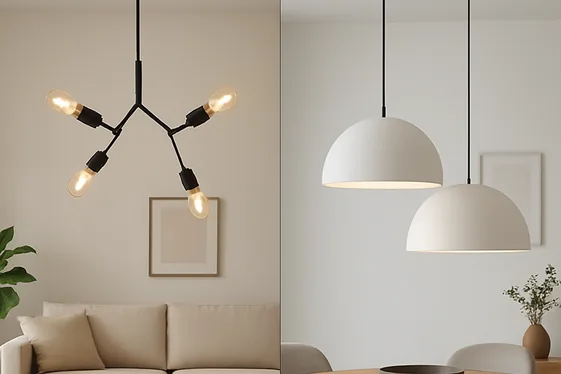
| Point | Angular Lights | Curved Lights |
|---|---|---|
| Aesthetic Feel | Sharp, geometric, modernist | Smooth, organic, welcoming |
| Light Distribution | Can create shadows with edges | Softer, diffused with rounded shape |
| Space Impact | Adds edge contrast in minimalist rooms | Enhances softness in comfy spaces |
| Material Preference | Metal and industrial styles | Glass and ceramics often used |
| Assembly | Usually straightforward | Sometimes intricate due to shaping |
That’s why many experts recommend curved lighting fixtures in living areas designed for relaxing. They cast ambient light that feels warm and inviting, pairing well with rounded furniture to complete a soft modern look. This keeps the idea practical, clear, and easy for readers to use right away.
It also adds a little more helpful detail without making the writing sound stiff. A simple, thoughtful explanation like this helps the whole article feel complete. That balance makes the advice feel more natural, more useful, and easier to follow.
15. Do’s and Don’ts When Styling With Curved Furniture
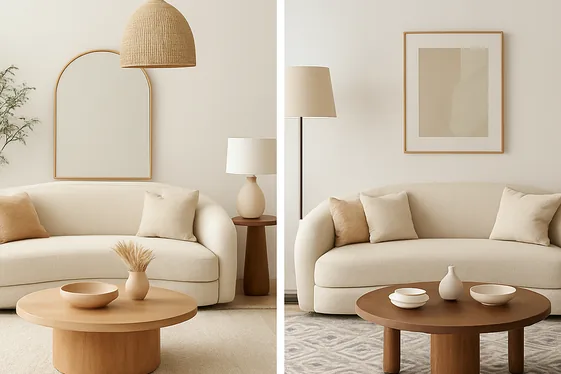
Do:
- Mix textures like velvet and wood to expand tactile interest.
- Use rugs to underline seating areas and enhance curves’ flow.
- Keep balance by mixing curved pieces with straight architectural elements.
- Use lighting to highlight the contours of your curved furniture.
- Select art or accessories with soft lines or abstract shapes.
Don’t:
- Overcrowd rooms with too many rounded shapes, which can feel overwhelming.
- Forget about scale or placement, which may ruin the intended flow.
- Pair curved furniture exclusively with cold colors without warmth.
- Be afraid to add in pops of color to make the curves stand out.
- Ignore functionality or comfort in favor of style alone.
Styling with curves is about harmony—when you respect proportions and mix textures thoughtfully, the room breathes a modern softness. This keeps the idea practical, clear, and easy for readers to use right away. It also adds a little more helpful detail without making the writing sound stiff.
A simple, thoughtful explanation like this helps the whole article feel complete. That balance makes the advice feel more natural, more useful, and easier to follow.
16. Quick Facts on Materials Ideal for Curved Designs
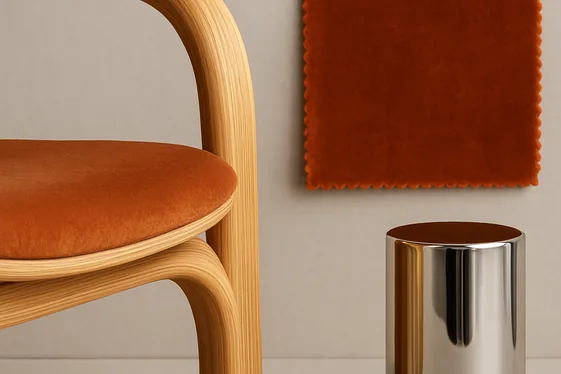
Cost: Varies by material
Durability: Wood and metal offer structure
Flexibility: Plywood easily bends for curves
Best For: Softer edges and long-lasting furniture
Maintenance: Different by finish—wood needs polishing, fabric must be cleaned
Choosing materials that shape well while enduring daily use is essential for curved furniture success. I’ve seen this work well in many cases when designers use bent plywood or molded metal for structural integrity and fabrics like boucle or velvet for soft surfaces. Material choice directly impacts comfort, style, and longevity. This keeps the idea practical, clear, and easy for readers to use right away.
It also adds a little more helpful detail without making the writing sound stiff. A simple, thoughtful explanation like this helps the whole article feel complete. That balance makes the advice feel more natural, more useful, and easier to follow.
Conclusion
Exploring these 16 curved furniture ideas reveals how a simple shift in shape can bring warmth, style, and function into your home. From sofas and beds to lighting and storage, curves add softness that balances modern minimalism with inviting comfort. Diverse materials and clever styling tips show how to integrate curves intelligently—whether you want a statement piece or subtle accents.
Some pieces maximize space, while others enhance flow or ergonomics, giving you plenty of options tailored to your lifestyle. As you consider which curved elements suit your space and taste, remember the best choices blend beauty, comfort, and practicality.
Embracing curves can make your home more welcoming and unique, inspiring a fresh approach to modern living that clearly stands out in 2026.