

24 Sinking Funds Categories Explained
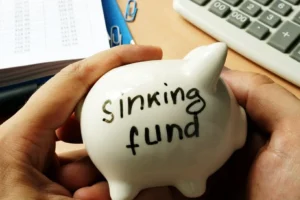
Sinking funds are a smart way to save for future expenses by setting aside money for specific, anticipated costs. This system helps prevent financial stress when it comes time to pay for large or irregular expenses. Whether you’re budgeting for home repairs, a vacation, or holiday gifts, sinking funds ensure you’re prepared. In this article, we’ll explore 24 sinking fund categories to help you organize your savings and be financially prepared for any upcoming expenses.
1. Emergency Fund
An emergency fund is one of the most important sinking funds. It’s designed to cover unexpected expenses, such as medical bills, car repairs, or job loss. Setting aside money for emergencies ensures that you don’t have to rely on credit cards or loans when life throws you a financial curveball. Aim to save 3-6 months’ worth of living expenses in this fund for peace of mind during uncertain times.
2. Medical Expenses
Medical expenses can be unpredictable and costly, especially if you need an unexpected procedure or treatment. A medical sinking fund can help you cover out-of-pocket costs, such as copays, prescriptions, or dental visits. By saving for healthcare needs, you won’t have to stress over how to pay for medical bills when they arise, and it’s a smart way to avoid going into debt for healthcare needs.
3. Car Repairs
Cars require maintenance and occasional repairs, making a car repair sinking fund a necessary addition to your savings plan. Whether it’s for tire replacements, brake pads, or major engine repairs, having money set aside for car-related expenses ensures you’re not caught off guard. This fund will prevent you from dipping into your regular savings or emergency fund when your car needs unexpected repairs.
4. Home Maintenance
Home maintenance costs, from roof repairs to plumbing issues, can add up quickly. A home maintenance sinking fund is essential for handling the upkeep of your property. By setting aside money regularly, you’ll be prepared for things like HVAC servicing, pest control, or appliance replacements without the financial burden. It’s also helpful for planning home improvement projects, such as a new kitchen or bathroom renovation.
5. Vacation Fund
Vacations are essential for relaxation, but they can be expensive if not planned properly. A vacation sinking fund allows you to save for travel without putting a strain on your budget. Whether it’s a weekend getaway or an international trip, setting aside a set amount each month can help you cover the cost of flights, accommodation, and activities, making your vacation stress-free financially.
6. Holiday Gifts
Holiday gift-giving is a cherished tradition, but it can also be financially stressful. A holiday gifts sinking fund helps you save for gifts throughout the year, making it easier to stick to your budget. Instead of scrambling for money during the holiday season, you can relax knowing that you’ve already set aside funds to buy thoughtful gifts for your loved ones.
7. Education Expenses
Education costs can be significant, whether it’s for your children’s tuition, extracurricular activities, or continuing education for yourself. An education sinking fund helps you save for these expenses in advance. By setting aside money regularly, you can avoid the stress of scrambling to pay for tuition, books, or other educational fees, making sure that you’re prepared for these predictable costs.
8. Wedding Fund
Weddings are one of life’s most memorable events, but they can also be expensive. A wedding sinking fund ensures that you have the money saved up for your special day. From the venue to the dress, catering, and photographer, a wedding fund helps you plan your wedding without worrying about how to pay for it. You can break down the costs into smaller savings goals, making it easier to manage.
9. Pet Expenses
Pets are part of the family, and their care can come with various costs, from food to veterinary visits. A pet sinking fund allows you to save for things like vaccinations, pet insurance, grooming, and emergency medical expenses. By preparing in advance, you can ensure that your pet’s needs are met without derailing your budget when a surprise vet bill arises.
10. Tax Payments
If you are self-employed or have income that isn’t subject to automatic withholding, setting up a sinking fund for tax payments is a smart strategy. This fund helps you save money throughout the year for your tax obligations. By saving a percentage of your income regularly, you won’t be caught off guard when tax season comes around, and you’ll be prepared to pay your tax bill without stress.
11. Clothing Fund
A clothing sinking fund helps you plan for clothing purchases throughout the year without affecting your budget. Whether it’s seasonal clothing, shoes, or work attire, having a dedicated fund for clothing ensures you can replace worn-out items or update your wardrobe without feeling guilty or going into debt. Set aside a specific amount each month to cover clothing costs when you need them.
12. Technology Fund
Technology, from smartphones to laptops, can be expensive. A technology sinking fund allows you to save for upgrades or replacements, helping you stay up-to-date without breaking your budget. Whether you need a new phone, computer, or any other gadget, setting aside money regularly ensures that you have funds ready when it’s time to upgrade.
13. Homeowners Association (HOA) Fees
If you live in a community with a Homeowners Association (HOA), you likely have regular fees that need to be paid. These fees can vary by location and community, so having a sinking fund for HOA payments is essential. By setting aside money monthly, you can easily cover these fees without disrupting your monthly budget.
14. Car Insurance
Car insurance premiums are often paid annually or semi-annually, which can cause a financial strain if you aren’t prepared. A car insurance sinking fund ensures that you have the money set aside when your payment is due. By saving a small amount each month, you can avoid scrambling for funds when it’s time to pay your premium.
15. Retirement Savings Fund
Planning for retirement is crucial, and setting up a sinking fund for retirement savings can help ensure a comfortable future. By contributing to this fund regularly, you’ll build a nest egg that can grow over time through investments. The earlier you start saving, the more time your money has to compound, ensuring you’re financially secure in your later years.
16. Gift Fund
Gifts for birthdays, anniversaries, and other celebrations can add up quickly. A gift sinking fund allows you to set aside money throughout the year to cover these costs. By saving monthly, you can purchase thoughtful gifts without worrying about how to pay for them at the last minute. This fund ensures you’re always prepared for the next special occasion.
17. Vehicle Registration and Maintenance
Vehicle registration and maintenance are ongoing costs that need to be planned for. Whether it’s an annual registration fee or unexpected repairs, having a sinking fund for these expenses helps keep your finances in check. By saving regularly, you can cover vehicle-related costs without interrupting your regular savings goals.
18. Subscription Services
From streaming services to magazine subscriptions, recurring subscription fees can add up quickly. A sinking fund for subscriptions ensures you can cover these costs without worrying about budgeting for them each month. This fund can also help you manage multiple subscriptions by ensuring you don’t forget to pay for them when the time comes.

19. Special Events Fund
Special events like weddings, reunions, or holiday parties often come with high costs. A special events sinking fund allows you to save for these one-time expenses, ensuring you don’t have to cut into your regular savings or emergency fund. By saving in advance, you can enjoy these occasions without the financial stress.
20. Seasonal Maintenance Fund
Certain seasonal maintenance tasks, like HVAC servicing, landscaping, or winterizing your home, require funds that may only be needed once or twice a year. A seasonal maintenance sinking fund allows you to save for these tasks throughout the year, ensuring you have the money ready when it’s time to perform maintenance.
21. Business Expenses
If you run a small business from home, having a sinking fund for business-related expenses can help you avoid cash flow problems. Whether it’s for marketing, office supplies, or unexpected business costs, this fund ensures that you can handle the financial demands of running a business without dipping into your personal savings.
22. Vacation Fund
Vacations are a great way to relax and recharge, but they can be expensive. A vacation sinking fund allows you to save for travel expenses, including flights, accommodation, and activities, so that you can enjoy your getaway without the stress of financial strain. By saving a little each month, you’ll be able to plan your dream vacation without worry.
With these 24 sinking fund categories, you can effectively plan for future expenses, reduce financial stress, and ensure that you’re always prepared for life’s ups and downs. Start setting up your sinking funds today and take control of your financial future!